Transparency note: this site normally earns a commission when readers buy through our links. There are no purchase links in this article. It exists to help you choose, and every individual review it points to carries its own disclosure.
These statements have not been evaluated by the Food and Drug Administration. These products are not intended to diagnose, treat, cure, or prevent any disease. Fatty liver disease is diagnosed with blood tests and imaging, and it’s reversible in its early stages — which is exactly why getting assessed matters more than any purchase on this page. If you’ve been told your liver enzymes are raised, that’s a follow-up appointment, not a shopping decision.
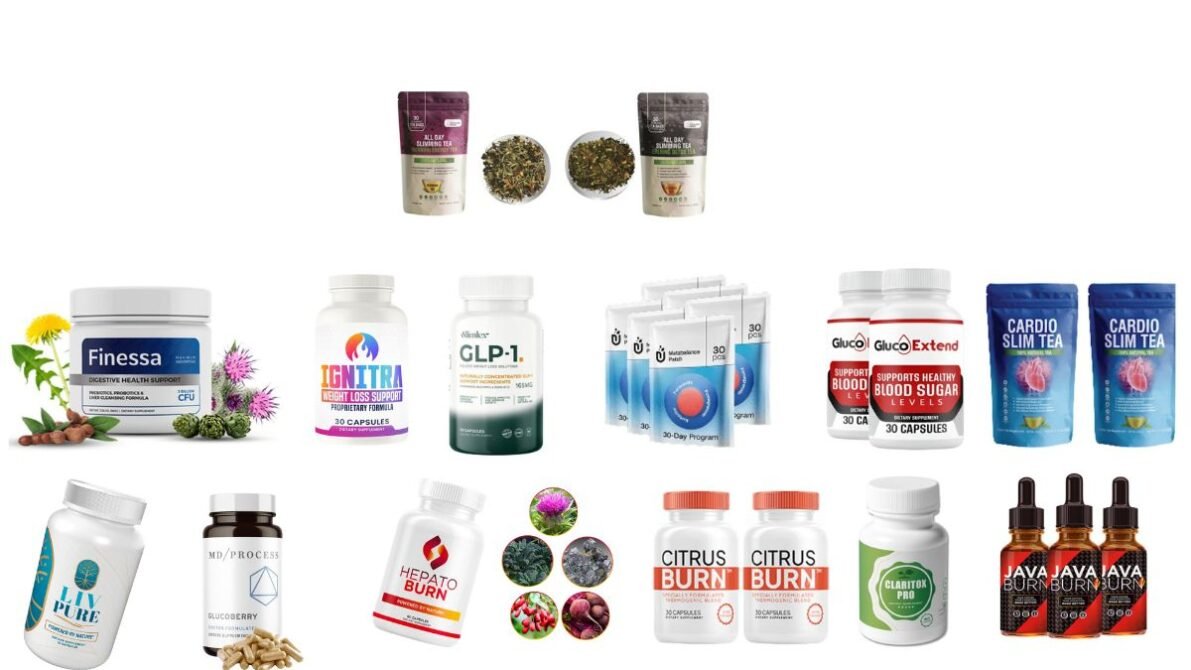
I’ve spent the past several months reviewing liver and metabolic supplements one at a time — thirteen of them, each researched from the sales page to the primary literature.
This article was supposed to be the ranking. Best overall, best value, best for beginners, the usual shape.
I can’t write that honestly, and I’d rather explain why than pretend.
Not one of these products earned a straight recommendation. Not because they’re all equally bad — they aren’t, and the differences between them are genuinely useful. But in every single case, the gap between what the page claims and what the evidence supports was wide enough that “best” would be the wrong word.
So this is a different article. It ranks these products by something you can actually check before you spend money: how much of what you’re being told can be verified. That turns out to separate them cleanly, it’s a standard that doesn’t expire, and — most usefully — it’s a standard you can apply yourself to any product that comes along next year.
What “Liver Support” Actually Means
Before comparing anything, it’s worth being precise about what this category is selling, because the framing is almost always the same and it’s almost always backwards.
Nearly every product here tells a version of this story: your liver is sluggish or congested, that’s why your metabolism is slow and the weight won’t shift, and fixing the liver fixes the weight.
The direction runs the other way.
Fatty liver — now called metabolic dysfunction-associated steatotic liver disease, or MASLD — develops when excess body fat and insulin resistance come first. As adiposity increases, insulin signalling is impaired, fat cells reach their storage capacity, and the liver ends up storing the fatty acids that peripheral tissues can no longer hold. Cleveland Clinic lists obesity and type 2 diabetes among the common causes, with people carrying extra weight around the middle at increased risk — and estimates more than 30% of people worldwide have the condition.
So fatty liver is common in people carrying excess weight because the weight came first. It’s downstream.
That single fact reorganises the whole category. If liver dysfunction caused obesity, then treating the liver would be a route to weight loss. Since obesity causes the liver dysfunction, the intervention that improves fatty liver is the one that reduces body fat — which is why the last section of this article looks the way it does.
The other thing worth saying plainly: your liver detoxifies continuously, without help. “Detox” as a supplement category has no clinical definition. The organ either works or it needs medical care, and no capsule changes which.
How I Evaluated These
Four questions, applied identically to every product. None requires a lab or a medical degree — you can run all four in about ten minutes.
1. Are the ingredients named? Not “proprietary blend of natural botanicals.” Actual names.
2. Are the doses published? This is where nearly everything falls apart. An ingredient list without amounts can’t be compared against any study, because studies are studies of doses. Milk thistle at 30 mg and milk thistle at 600 mg are different products wearing the same word.
3. Do the cited references concern the ingredients? This is the check almost nobody runs, and it’s devastating. Several products in this list publish long, properly formatted reference lists in which not one citation is about anything in the bottle. They establish that the liver exists and that fatty liver is a real condition — which nobody disputes — and say nothing about the remedy.
4. Can you find a real customer? Meaning a verified purchase on a platform with fraud controls. Not a testimonial on the seller’s own page.
I’d add a fifth that isn’t about the product: does the page steer you away from a doctor? Several do, and it’s the most consequential thing a health page can do.
The Question That Decides Everything
Before the individual products, one more idea, because it does more work than any ingredient analysis.
Across thirty reviews, the finding that most often decided the outcome wasn’t the ingredient list. It was whether the product physically reaches the place the problem is.
A tablet you swallow reaches your gums through the bloodstream — but not the plaque on the outside of your teeth. A patch delivers small, fat-soluble molecules through skin — but not a permanently charged compound like berberine. A capsule can carry 500 mg comfortably — but not the 3 grams of fibre or 1,500 mg of berberine that the trials used.
In this category, the version of that question is: can this format carry the dose the research used?
Berberine trials use 1,000 to 1,500 mg daily. Silymarin trials use hundreds of milligrams. Glucomannan’s approved health claim requires 3 grams a day in three separate doses. When a product puts eight or eleven ingredients into one capsule and publishes no amounts, the arithmetic usually answers the question before the evidence does.
Keep that in mind as you read what follows.
HepatoBurn: The One With No Findable Customers
You asked for this one first, so let’s start here.
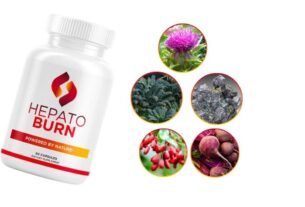
HepatoBurn is built around two proprietary blends — a “Liver Purification Complex” and a “Liver Fat-Burning Complex” — containing silymarin, betaine, berberine, glutathione, green tea extract, resveratrol, genistein, chlorogenic acid and choline. ClickBank is the retailer, with a 60-day guarantee.
On the four criteria: ingredients named, doses not published, and — the finding that sets it apart — no verifiable customer exists anywhere.
I went looking specifically. It isn’t sold on Amazon, eBay, Walmart or in retail, so no verified-purchase system covers it. I found no Trustpilot page. An independent consumer blog examining the product reported the same absence, noting that all testimonials are anonymous.
What fills that vacuum is a large body of content built to look like customer reviews: promotional PDFs hosted in the file-upload folders of a cancer registry, a university research office and a state wildlife agency; paid newswire pieces framed as investigations; and at least one testimonial attributed to a subreddit that doesn’t exist.
Our HepatoBurn customer reviews investigation documents all of that in detail, and the full HepatoBurn review covers the ingredient analysis.
Where it ranks: last on verifiability, of everything on this page. Not because the ingredients are worse than its competitors’ — as the next section shows, they’re largely identical to another product’s — but because it is the only one where you cannot find a single independent account of what happened to someone who took it.
Liv Pure: The Same Two Blend Names
Now the comparison you asked for, and it’s more interesting than a scorecard.
Liv Pure’s formula is presented as two proprietary blends: a “Liver Purification Complex” and a “Liver Fat-Burning Complex.”
Those are the same two names, in the same order, as HepatoBurn’s. And the ingredient lists overlap almost entirely — silymarin, betaine, berberine and glutathione on one side; green tea extract, resveratrol, genistein, chlorogenic acid and choline on the other.
I can’t tell you whether that’s one formula under two brands, one manufacturer supplying both, or one product copying another’s positioning. No page discloses a manufacturer clearly enough to check. What it means practically is that choosing between these two on formula grounds is close to meaningless.
Where they differ is verifiability. Liv Pure names all ten ingredients openly and has a real, if small, Trustpilot presence — a couple of dozen contributors, largely critical, describing no weight loss, no change in liver enzymes, and billing complications from post-checkout add-ons. That’s unflattering, and it’s genuinely more useful than HepatoBurn’s silence.
Liv Pure also illustrates the category’s central problem more clearly than any other product here. Its flagship ingredient, silymarin, has the best liver evidence in the group: a 24-week randomised placebo-controlled trial in 83 patients found silymarin significantly reduced liver stiffness and GGT. Real result. And in the same trial, silymarin showed no significant effect on liver fat, aminotransferases, blood lipids, BMI, or waist-to-hip ratio.
Nobody lost weight. In a category sold on weight, that’s the sentence to remember.
One more thing worth flagging: Liv Pure publishes twenty numbered citations as a picture file, so none of them can be clicked, copied or checked. Our Liv Pure review works through the rest.
Finessa: A Stimulant Laxative in a Daily Formula
Finessa sits slightly apart — it’s marketed for digestion and liver together — and it carries the clearest safety issue in this group.
The formula contains cascara sagrada, a stimulant laxative. In November 2002 the FDA issued a final rule declaring it no longer generally recognised as safe and effective as an over-the-counter laxative ingredient. It remains legal in supplements, where the premarket bar is lower.
The product’s own FAQ recommends taking it daily for at least six months. World Health Organization guidance for cascara is to keep use under two weeks, because of electrolyte loss.
Finessa also pairs cascara with whole licorice, and both deplete potassium — through different mechanisms, in the same direction. That combination is a genuine consideration for anyone taking a diuretic, blood pressure medication, or digoxin.
And there’s a detail that recurs across this category: the sales page cites a University of Rochester resource as support for cascara. That page is real. It’s also the page documenting the FDA’s 2002 ruling and warning about liver toxicity with prolonged use.
Full detail in our Finessa review.
CitrusBurn: “Stimulant-Free,” With a Stimulant
CitrusBurn advertises “Stimulant-Free & Jitter-Free” among its features. Thirty seconds up the same page, the headline ingredient is Seville orange peel standardised for p-synephrine — which the NCAA lists as a banned stimulant, and which the NFL and MLB also prohibit. The formula also contains green tea, which brings caffeine.
Two more things distinguish it.
Its central premise is a condition called “thermogenic resistance” — which doesn’t appear in the endocrinology literature, has no diagnostic criteria, and can’t be tested for.
And the page attributes a 74% thermogenesis increase to research from Harvard, the Mayo Clinic and the University of Barcelona. Its own reference list — twelve real papers — contains nothing from any of those institutions, and the 74% figure has no citation anywhere.
There’s also a dosing instruction worth knowing about: take it in the morning before breakfast. The European Food Safety Authority concluded that green tea catechins at or above 800 mg of EGCG daily are associated with elevated liver enzymes, and that no supplemental dose could be identified as safe — and EU guidance specifically cautions against taking green tea extract on an empty stomach.
A product filed under liver support instructing fasting-state dosing of green tea extract is the kind of contradiction this article exists to surface. Our CitrusBurn review has the rest.
Java Burn: The Ingredient With an Enforcement History
Java Burn is a powder you add to coffee, built around chlorogenic acid — the active compound in green coffee bean extract.
That ingredient category has a documented past. In September 2014 the FTC settled with a green coffee ingredient supplier over weight-loss claims, alleging the underlying study was so flawed that no reliable conclusions could be drawn from it — the lead investigator having altered subjects’ weights and misstated which participants were on placebo. The company paid $3.5 million, and the paper was retracted by its authors the following month.
That action was against an ingredient supplier, not against Java Burn or its makers. But it raises the bar for anything sold in that category afterwards.
Applying it: pooled trials on chlorogenic acid suggest a mean difference of roughly 2.5 kg versus placebo, from studies running 4 to 12 weeks with doses from 81 to 400 mg — and reviewers noted all of them carried significant limitations. Meanwhile, an analysis of 54 commercial green coffee extracts found average measured chlorogenic acid content of 157 mg against an average labelled 233 mg.
Java Burn publishes no figure at all, so there’s nothing to fall short of.
One more: the product was previously a powder and is now sold as a “serum,” with the page arguing that serums avoid first-pass liver metabolism and deliver sublingually. You stir it into coffee and drink it. Nothing sublingual occurs, and everything absorbed from the gut passes through the liver regardless. Our Java Burn review covers it.
Ignitra and Slimlex: Borrowing Prescription Credibility
These two share a technique worth naming, because once you see it you’ll see it everywhere.
Ignitra publishes sixteen references as bare URLs. Two of them are the same link, duplicated. That link goes to a 2016 review of GLP-1 biology and liraglutide — the injectable prescription drug marketed as Saxenda — discussing dosing, phase III results, and adverse events including pancreatitis signals. Other references cover GLP-1 responses to meals.
None of the sixteen is about any ingredient in Ignitra. A botanical capsule is citing the pharmacology of injectable prescription drugs as its scientific backing.
Ignitra also advertises “11+ ingredients” while naming six, and its two ingredient blocks on the same page assign those six different functions.
Slimlex does it more directly, marketing itself as a natural alternative to prescription GLP-1 medication. Its ingredient — Akkermansia muciniphila — has a genuine human trial behind it: 32 volunteers, three months, improved insulin sensitivity and lower cholesterol. Encouraging, real science.
And a commentary reviewing that field states plainly that in humans, Akkermansia improved cardiometabolic markers without increasing circulating GLP-1 levels. The GLP-1 story comes from a bacterial protein tested in mice.
The trial also used 10 billion organisms daily, of the pasteurised form — the live arm didn’t reach significance. Slimlex provides 500 million AFU and is sold as a live probiotic.
For context on what it’s being compared to: semaglutide produced roughly 15% mean body weight loss in a 1,961-person randomised trial. Details in our Ignitra review and Slimlex GLP-1 review.
Purisaki: Right Compound, Wrong Route
Purisaki is berberine — a genuinely well-evidenced compound for glucose and lipids — delivered as a transdermal patch.
Berberine is a quaternary ammonium salt with a permanent positive charge. That makes it hydrophilic, and skin’s outer layer is a lipid barrier built to exclude exactly that. It’s also why berberine’s oral bioavailability sits under 1%, which has been the central obstacle to developing it as a drug.
Oral trials use 900 to 1,500 mg daily. Consumer berberine patches typically hold single-digit milligrams. There are no published human trials showing berberine patches achieve meaningful systemic absorption.
The headline promise is more than twelve pounds a month. Oral berberine at a hundred times the dose produced no significant change in weight or BMI in one meta-analysis.
This one is the clearest example of the format question from earlier: the compound is right, the research is real, and the delivery route can’t carry it. Our Purisaki Berberine review explains the chemistry.
GlucoBerry and Gluco Extend: The Glycemic Neighbours
These two sit adjacent to the liver category and share buyers with it, so they belong here.
GlucoBerry is the best-documented product in this group, and it deserves that credit stated plainly: it publishes its label, names a formulator, gives a phone number, and offers a 180-day guarantee that explicitly doesn’t require returning opened or empty bottles — the single most consumer-friendly refund term I’ve encountered across thirty reviews.
Its problem is the mechanism. The page describes a “Blood Sugar Drain” in the kidneys, clogged by a protein. There is a real renal glucose transporter — SGLT2 — and an entire prescription drug class works by blocking it so glucose leaves in urine. It’s a pump, not a clog, and the therapeutic move is the reverse of what’s described.
More precisely: the published research on GlucoBerry’s maqui berry extract points to SGLT1, the transporter that absorbs glucose from food in the small intestine. Different transporter, different organ.
Gluco Extend is at the other end. Its fifteen scientific references — properly formatted, real journals — name not one of its ingredients. They cover glucose physiology, insulin secretion and HbA1c testing. The page claims “11+ ingredients,” names six, and a box on the same page describes a blend of four. All six named ingredients carry identical bullet points, word for word. And on a sister site under the same brand, the customer testimonials thank a competitor product by name.
See our GlucoBerry review and Gluco Extend review.
The Two Teas That Need Their Own Warning
Two products in this category carry safety issues serious enough that they don’t belong in a ranking at all.
All Day Slimming Tea contains senna in its evening blend. Senna is an FDA-approved over-the-counter stimulant laxative, considered likely safe for adults for up to about one week — beyond which guidance describes laxative dependence, electrolyte disturbance and liver injury. The American Herbal Products Association recommends senna leaf products carry a “not for long-term use” warning.
The product’s FAQ recommends drinking it daily, ideally for three to six months, and pushes a six-month package. It also pairs senna with licorice — two potassium-depleting mechanisms in one nightly cup.
Worth saying directly: the fast weight change people notice from a product like that is bowel content and water, not fat. Using laxatives to influence weight is a recognised pattern in disordered eating, and if that’s why you’re reaching for something, a doctor or dietitian is the right call.
Cardio Slim Tea‘s guarantee text promises that your blood pressure “normalizes at 120/80” — a numerical medical claim about hypertension, the leading modifiable cause of stroke. Its central mechanism, lowering homocysteine, was tested in a meta-analysis pooling eight randomised trials across 37,485 people: homocysteine came down about 25%, and there was no significant effect on major vascular events, coronary events, or stroke.
Details in our All Day Slimming Tea review and Cardio Slim Tea review.
What Actually Helps Your Liver
This is the part that follows from getting the direction right at the top, and it’s genuinely good news.
Because excess body fat drives fatty liver rather than the reverse, weight loss is the intervention with the strongest evidence — and the thresholds are specific and modest:
- Around 5% of body weight tends to reduce liver fat
- Around 7% to 10% is associated with improvement in inflammation, and in some patients, in fibrosis
That is the most effective treatment available for the condition, and it doesn’t come in a bottle.
Alongside it, four things with real support:
Reduce added sugar, particularly fructose. The liver processes it directly, and high intake is associated with hepatic fat accumulation.
Limit alcohol. Even in metabolic fatty liver, alcohol adds an independent insult.
Move regularly. Exercise reduces liver fat measurably even without much weight change — one of the more encouraging findings in this area for anyone who struggles with the scale.
Manage diabetes and lipids if you have them, because they travel together.
And the diagnostic part, which is the whole point: fatty liver is identified with blood tests and imaging, and it’s reversible in its early stages. Left alone it can progress to inflammation and fibrosis, which are much harder to undo. Raised liver enzymes on a routine panel are worth following up precisely because catching it early is when doing something about it works.
How to Choose If You Still Want One
Wanting to try something is a completely reasonable impulse, and there’s a sensible way to act on it.
Buy single ingredients, not blends. The single most useful move in this category. A standalone silymarin product prints the milligrams on the bottle, so you and your pharmacist can see exactly what you’re taking and compare it against the trials. Blends hide that by design.
Match the dose to the research. Silymarin trials use hundreds of milligrams daily. Berberine uses 1,000 to 1,500 mg. If a product won’t tell you its amount, it isn’t a candidate.
Count your green tea extract exposures. It appears in a striking number of these products, and it’s among the better-documented causes of supplement-associated liver injury. If you take more than one product containing it, add them together — and if you have any liver condition, this is a conversation with a doctor first.
Check the reference list against the ingredient list. Ten minutes, and it eliminates several products on this page.
Tell your prescriber. Berberine inhibits CYP3A4 and P-glycoprotein, which affects a large share of prescription drugs, and it lowers blood glucose alongside diabetes medication. It’s contraindicated in pregnancy.
And get the baseline bloodwork. If raised liver enzymes are why you’re here, ask for liver function tests before you start anything and again after eight to twelve weeks. That turns a guess into a measurement — and it’s the only evidence in this entire article that will be about you specifically.
Frequently Asked Questions
Do liver supplements actually work?
For the outcome most people buy them for — weight loss — the evidence is weak to absent. The best-evidenced ingredient in this category is silymarin, and the strongest trial found it reduced liver stiffness and GGT while producing no significant change in liver fat, BMI, or waist measurement. For genuine liver-marker support in someone with a diagnosis, a standalone silymarin product at a stated dose is a reasonable thing to discuss with a doctor. As a weight strategy, this category consistently underdelivers.
Which liver supplement is the best?
None of the thirteen I reviewed earned a straight recommendation. On verifiability — what you can check before buying — GlucoBerry ranks highest, because it publishes its label and offers a refund that doesn’t require returning unopened bottles. HepatoBurn ranks lowest, because no verifiable customer account of it exists anywhere. That’s a ranking of transparency, not of effectiveness, and the distinction matters.
Is HepatoBurn better than Liv Pure?
On formula, the question is close to meaningless: both are built around two proprietary blends with the same two names and nearly identical ingredient lists. On verifiability, Liv Pure is ahead — it names all ten ingredients and has a real, if small and largely critical, independent review presence. HepatoBurn has none that I could find.
Can a supplement reverse fatty liver?
No supplement has been shown to. What has been shown to is weight loss — around 5% of body weight reduces liver fat, and 7% to 10% is associated with improvement in inflammation and sometimes fibrosis. Early fatty liver is genuinely reversible, which is why the diagnosis and the follow-up matter more than the purchase.
Is “liver detox” a real thing?
Not as a clinical concept. Your liver detoxifies continuously as its normal function. “Detox” has no clinical definition, no measurable endpoint, and no test that tells you whether it worked. The word does marketing work, not physiological work.
Is green tea extract safe?
Brewed green tea is fine. Concentrated extract is different: EFSA concluded that catechins at or above 800 mg of EGCG daily are associated with raised liver enzymes and that no supplemental dose could be identified as safe, with one product causing injury at around 375 mg. Three separate regulators require or recommend label warnings. It appears in many products on this page, at undisclosed amounts — so count your exposures, and avoid taking it on an empty stomach.
What dose of milk thistle should I take?
The trials that produced measurable liver-marker results used silymarin in the hundreds of milligrams daily, over months. That’s the figure to look for on a label. If a blend contains milk thistle but won’t say how much, the trial evidence doesn’t transfer to it.
Can I take these with my medication?
Ask a pharmacist before you do. Berberine — present in several products here — inhibits CYP3A4 and P-glycoprotein, affecting a wide range of prescription drugs including statins and digoxin, and it lowers blood glucose alongside diabetes medication. It’s contraindicated in pregnancy. Because most of these products publish no doses, neither you nor your pharmacist can size the interaction, which is itself a reason to have the conversation.
Why do so many of these have references that don’t match the ingredients?
It’s the most consistent pattern I found. A properly formatted reference list signals rigour at a glance, and most readers don’t click through. Several products here cite the condition rather than the remedy — establishing that fatty liver exists, which nobody disputes, while saying nothing about whether the product does anything. Checking it takes ten minutes and it’s the highest-value check in this article.
What should I do if my liver enzymes came back raised?
Book the follow-up. Raised enzymes have several possible causes, some entirely benign and some worth acting on early, and the only way to know which is to investigate. Early fatty liver is reversible; fibrosis is much harder to undo. That appointment is worth more than anything on this page, and it’s the one thing here that no supplement can substitute for.

Raphael Albert is the founder and content creator of Nutra Pulse. Passionate about health, nutrition, fitness, and wellness, he spends his time researching scientific studies, health trends, and evidence-based lifestyle strategies to create informative and easy-to-understand content. While he is not a doctor or licensed healthcare professional, his goal is to help readers make more informed wellness decisions. All content is for educational purposes only and should not replace professional medical advice. Always consult a qualified healthcare provider regarding your health concerns.