Affiliate disclosure: This article contains affiliate links. We may earn a commission if you purchase through them, at no extra cost to you. This does not affect the analysis below.
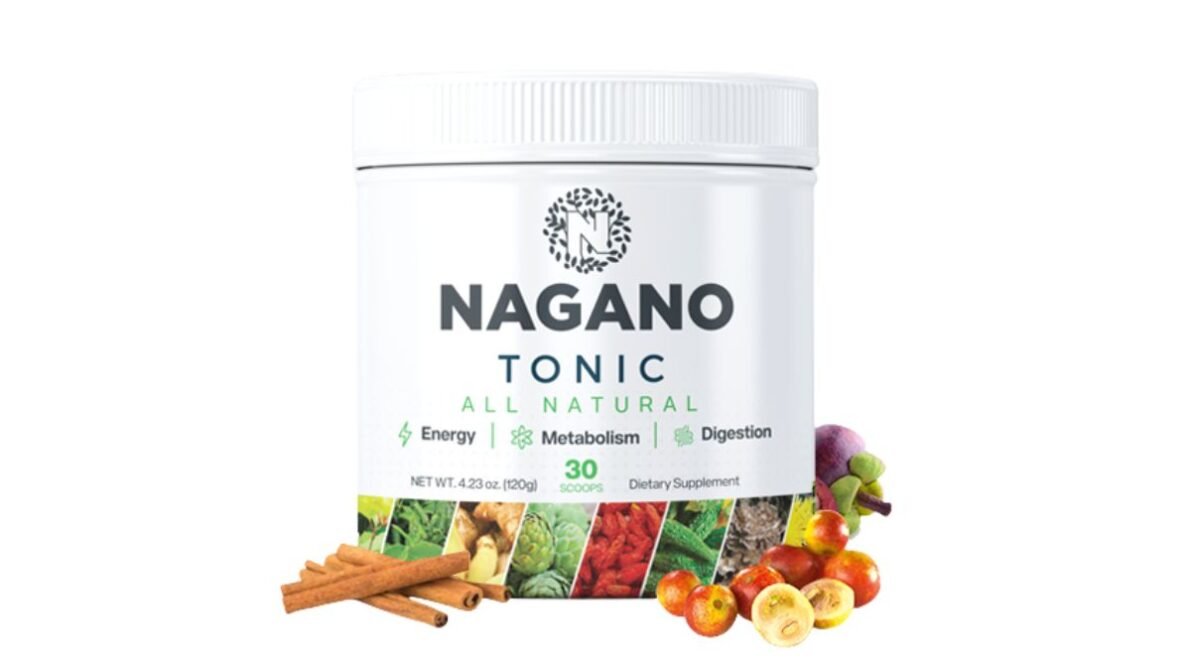
Nagano Tonic puts an “8-Superfood Antioxidant Blend” at the center of its pitch: barley grass, spinach, blueberry, asparagus, cranberry, pomegranate, broccoli, and spirulina, alongside EGCG from green tea and eight other named ingredients.
Checking the current official order page confirms the blend is real — but it’s disclosed exactly the way most proprietary blends are: as a single combined weight, with zero individual amounts for any of the twelve non-blend ingredients or the eight foods inside it.
That’s the actual finding here, and it’s easy to miss if you take the “8 superfoods” framing at face value. Naming eight recognizable foods sounds like a nutrition credential. It isn’t one. A powder can list blueberry and broccoli without providing anything close to a food-level serving of either — and without a milligram figure attached to any ingredient, there’s no way to tell which.
What’s Actually on the Label
Nagano Tonic is a powder mixed into water, taken once daily. Beyond the eight-food blend, the current page lists: Camu Camu, EGCG (green tea extract), Mangosteen, Panax Ginseng, Momordica Charantia (bitter melon), Ashwagandha, Acerola, Eleuthero Root, Alfalfa Leaf, Cinnamon Cassia, Ginger, and Inulin. None of these twelve ingredients has an individual amount disclosed either — the entire formula, superfood blend included, is presented as a list of names with no doses attached to any of it.
This is legal. Under U.S. labeling rules (21 CFR § 101.36(c)), a company can disclose a proprietary blend’s total weight and ingredient order without breaking out individual amounts. It just means a reader has no way to check any of Nagano Tonic’s ingredients against the research behind them — including the one ingredient most directly tied to this product’s own weight-loss pitch.
EGCG: The One Ingredient With Real Research, and No Way to Check It
Green tea and its EGCG compound have real human research behind weight-related outcomes. The NIH’s National Center for Complementary and Integrative Health (NCCIH) overview of green tea describes the weight-loss effect found in research as modest at best — not the transformative result implied by a “lean body tonic” pitch. That modest effect was also measured using specific EGCG amounts in controlled studies, and Nagano Tonic’s page doesn’t disclose how much EGCG a daily serving actually delivers.
The same NCCIH overview flags a safety point worth taking seriously: reports of liver injury associated with concentrated green tea extracts, specifically in supplement form — a different exposure than drinking a cup of tea. That’s not a claim that Nagano Tonic causes liver injury. It’s a reason not to treat an undisclosed “green tea extract” amount as automatically safe just because green tea itself is a normal beverage.
The Rest of the List, Ingredient by Ingredient
Ashwagandha has real human research for stress and sleep outcomes; the NIH Office of Dietary Supplements’ ashwagandha fact sheet also flags safety considerations and drug interactions worth knowing before combining it with other medications. None of that research establishes weight loss, and none of it can be matched to Nagano Tonic’s undisclosed dose.
Bitter melon (Momordica Charantia) is commonly researched for blood-sugar effects, not weight loss directly — the NCCIH’s bitter melon overview covers what that research does and doesn’t support. It’s the same ingredient that shows up in our InsuLeaf review, with the same dosing problem: a distinction worth knowing if you’re taking this alongside diabetes medication, since its amount here isn’t disclosed either.
Inulin is a real fermentable fiber, but naming it doesn’t tell you whether the serving supplies a gram-level amount comparable to fiber studies, or a fraction of one. Camu Camu, Mangosteen, Panax Ginseng, and Eleuthero Root all have their own separate research literatures — mostly unrelated to weight loss specifically — and none of it can be tied to what’s actually in a scoop of this product.
What a Buyer Actually Pays
- 1 bottle (30-day supply): $79, discounted from a listed $127
- 3 bottles (90-day supply): $177 total ($59/bottle), discounted from a listed $381
- 6 bottles (180-day supply): $234 total ($39/bottle), discounted from a listed $762, with free U.S. shipping
- 180-day money-back guarantee
We also found several similarly named domains presenting themselves as Nagano Tonic’s official site. That’s common for ClickBank-affiliated products and doesn’t by itself indicate fraud, but it does mean a specific price or guarantee shown on one page shouldn’t be assumed to apply to a different one — confirm at checkout.
Current Nagano Tonic pricing and the official order form are available on the Nagano Tonic order page.
Safety Notes
Green tea extract, ashwagandha, and bitter melon each carry their own considerations: concentrated green tea extract has been associated with liver injury in some case reports; ashwagandha can interact with thyroid medication, sedatives, and immunosuppressants; bitter melon can enhance the glucose-lowering effect of diabetes medication. None of these risks can be properly weighed without knowing the actual amount of each ingredient in a daily serving — which this product’s label doesn’t provide.
See a doctor promptly for: unexplained fatigue or yellowing of the skin or eyes (possible liver-related symptoms), symptoms of hypoglycemia if you’re on diabetes medication, or any new digestive symptoms that don’t resolve after the first week.
Verdict
Nagano Tonic’s marketing leans hard on the idea that eight recognizable “superfoods” plus EGCG add up to a credible weight-loss formula. What the label actually discloses is a list of twelve ingredients and an eight-food blend with no individual amount attached to any of them — the same disclosure gap found in most proprietary-blend competitors in this category, just dressed in more appealing language.
EGCG has real research behind it, but a “modest” effect at a verified dose in a study doesn’t transfer to an unverified amount in a powder. Until Nagano Tonic discloses actual milligram figures, there’s no way to know whether a scoop delivers anything close to a studied amount of anything on the list.
FAQ
Does naming eight superfoods mean Nagano Tonic delivers eight servings of produce?
No. The blend’s total weight and the amount of each of the eight foods inside it aren’t disclosed, so there’s no way to know whether it supplies a meaningful nutrient amount or a token amount of each.
Is EGCG the same thing as “green tea extract” on this label?
Not necessarily — an extract’s total weight doesn’t automatically equal its EGCG content specifically. Without a milligram figure for either, the two terms can’t be compared to the doses used in research.
Does the 180-day guarantee mean the company expects results within 180 days?
No. A refund window is a purchasing term, not a timeline tied to any clinical result — treat it as separate information from whether the product works.
These statements have not been evaluated by the Food and Drug Administration. This product is not intended to diagnose, treat, cure, or prevent any disease. This article contains affiliate links; the author may earn a commission at no extra cost to you. This content is for informational purposes only and does not constitute medical advice. Always consult a qualified healthcare professional before starting any new supplement.

Raphael Albert is the founder and content creator of Nutra Plus. Passionate about health, nutrition, fitness, and wellness, he spends his time researching scientific studies, health trends, and evidence-based lifestyle strategies to create informative and easy-to-understand content. While he is not a doctor or licensed healthcare professional, his goal is to help readers make more informed wellness decisions. All content is for educational purposes only and should not replace professional medical advice. Always consult a qualified healthcare provider regarding your health concerns.