
This article contains affiliate links. The author may earn a commission at no extra cost to you. This content is for informational purposes only and does not constitute medical advice. Always consult a qualified healthcare professional before starting any new supplement or health product.
Important note before reading: The marketing for Ikaria Juice leans heavily on a single mechanism (“flushing ceramides to restart metabolism”). Ceramides are real lipid molecules linked to insulin resistance in peer-reviewed research, but the claim that drinking this powder will “flush” them out of your system in 45 days exceeds what current evidence supports. This review separates what the science sustains from what is good marketing.
In 2026, more adults over 40 are searching for natural ways to support sustainable weight loss as processed food intake, daily stress, and accumulated metabolic burden begin to affect how efficiently the body burns fat. Stubborn belly fat that doesn’t respond to diet alone, persistent evening cravings, slow metabolism, and concerns about long-term metabolic health are frustrations shared by millions of people.
This Ikaria Juice review will explore how this powdered metabolic formula positions itself as a comprehensive solution for supporting fat oxidation, liver function, and appetite control through a blend of marine-derived carotenoids, plant extracts, and antioxidant-rich fruit powders.
But does it actually work, or is it just another “metabolic switching” powder with big promises? This in-depth review will break down Ikaria Juice, its key ingredients, what real users report, and what you can realistically expect when adding it to your daily routine.
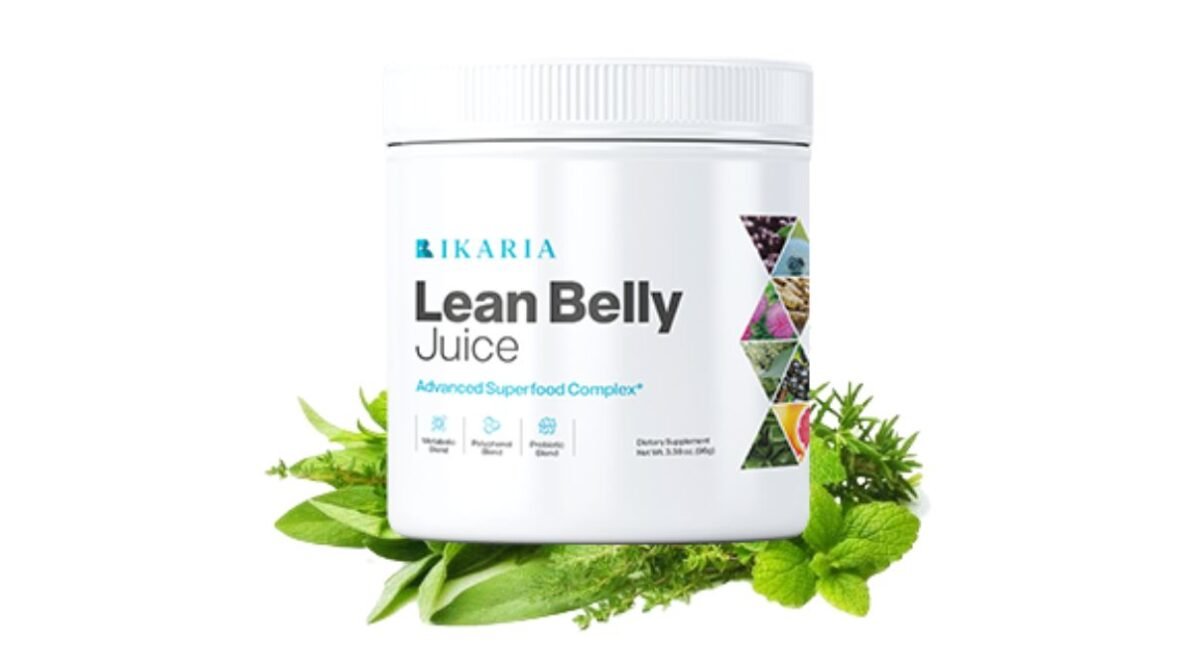
Ikaria Juice (also marketed as Ikaria Lean Belly Juice) is a natural powdered dietary supplement formulated to support healthy weight loss, fat metabolism, and liver function. Rather than relying on capsules, the formula is delivered as a daily scoop mixed with water, juice, or a morning smoothie.
The powder combines eight named active ingredients (Fucoxanthin, Panax Ginseng, Milk Thistle/Silymarin, Taraxacum/Dandelion, Citrus Pectin, Resveratrol, EGCG from green tea, and Bioperine) with an antioxidant blend that includes Acai, Blueberry, African Mango, Black Currant, Beet Root, Hibiscus, and Strawberry Extract.
What is Ikaria Juice?
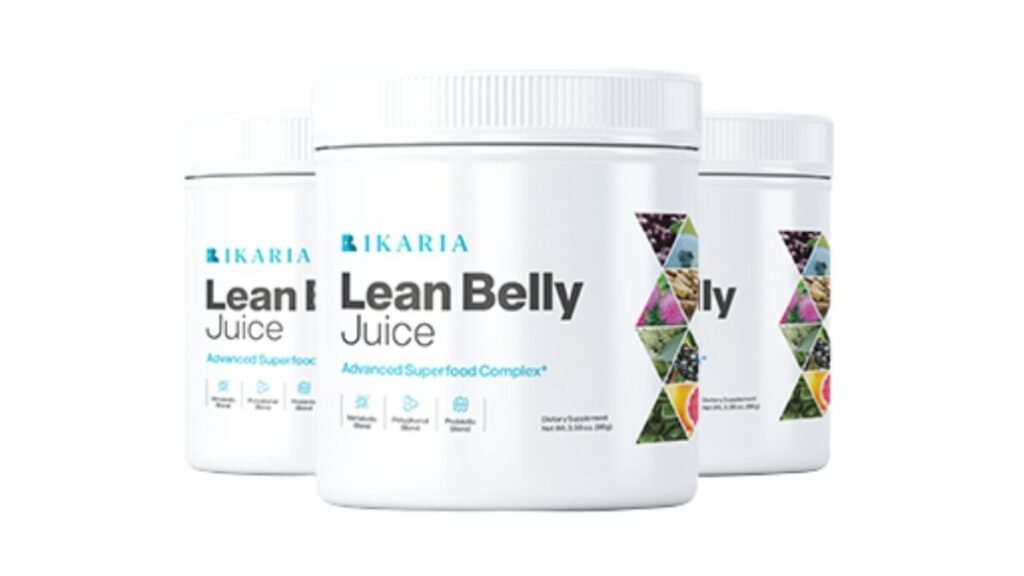
Ikaria Juice is a natural metabolic support powder manufactured in the United States in an FDA-registered, GMP-certified facility. The formula is non-GMO, vegan-friendly, gluten-free, free from artificial preservatives, and contains no stimulants. Each container typically provides 30 servings (one scoop per day), and the recommended usage is to mix one scoop into 8 ounces of water, juice, or a morning smoothie, preferably on an empty stomach for maximum absorption. The official sales page positions the formula around four functional blends: a Metabolic Burner Blend, a Polyphenol Blend, a Digestive Support Blend, and an Antioxidant Blend.
Why Ikaria Juice Caught My Attention
What stood out most when reviewing the available research on this product was the alignment between two of its key ingredients and published human randomized trials. The combination of Fucoxanthin (the lead marine carotenoid) with Pomegranate Seed Oil has its own published RCT — the Abidov 2010 study of 151 obese women over 16 weeks, showing statistically significant weight loss of 5.5 kg in the NAFLD subgroup. Citrus Pectin has EFSA scientific opinion support for reducing postprandial glycemic response at doses of 10 g per meal.
Silymarin (the active compound in Milk Thistle) has a 2024 systematic review of 26 randomized controlled trials supporting meaningful liver enzyme improvements in patients with NAFLD. At the same time, an honest reading of the literature shows that Panax Ginseng has a 2020 meta-analysis of 11 RCTs with 573 participants showing NO significant effect on body weight, BMI, waist circumference, or body fat percentage.
African Mango has 4 of 5 published RCTs rated as having high risk of bias. The “ceramide flush” claim, while scientifically interesting, has not been validated in any human RCT for this specific product. After reading through real user reviews across multiple platforms, a common theme emerged: adults with stubborn belly fat and evening cravings who had tried basic green tea or chromium supplements without success reported more comprehensive support with combination formulas like Ikaria Juice.
That combination of research depth and honest limitation was enough to make this review worth writing.
How Ikaria Juice Works (Simplified)
The formula is designed to support weight management and metabolic health through four interconnected mechanisms. First, supporting fat oxidation: Fucoxanthin (a carotenoid from brown seaweed) has been studied in animal models for inducing UCP1 (uncoupling protein 1) in white adipose tissue, which converts stored white fat into brown, thermogenic fat.
A 2024 systematic review and meta-analysis of 11 randomized controlled trials published in Nutrition Reviews found that brown seaweed supplementation significantly reduced BMI (SMD = -0.40, 95% CI: -0.65 to -0.16, p = 0.0013) and body fat percentage (SMD = -1.48%) in overweight and obese adults when administered for at least 8 weeks. Second, supporting liver function: Silymarin from Milk Thistle supports the liver’s natural detoxification pathways and fat metabolism.
Third, supporting satiety and appetite control: Citrus Pectin is a viscous soluble fiber that delays gastric emptying and increases satiety, with EFSA scientific opinion supporting a cause-and-effect relationship for reduced postprandial glycemic response at doses of 10 g per meal.
Fourth, supporting thermogenesis and energy: EGCG from green tea, Panax Ginseng, and Bioperine (black pepper extract) provide complementary metabolic and bioavailability support.
Ingredient Analysis: What the Research Shows
Ikaria Juice features a focused formula built around eight named active ingredients plus a proprietary antioxidant blend. The synergy is designed to address fat metabolism, liver function, satiety, and antioxidant support from multiple angles.
Fucoxanthin (Marine Carotenoid from Brown Seaweed)
The lead ingredient in the formula and the most distinctive feature. Fucoxanthin is a carotenoid pigment found in brown seaweed such as Undaria pinnatifida (wakame) and Hijiki fusiforme.
The landmark human study is the Abidov et al. 2010 trial published in Diabetes, Obesity and Metabolism, which tested Xanthigen™ (a branded combination of 2.4 mg fucoxanthin + 300 mg pomegranate seed oil) in 151 obese premenopausal women over 16 weeks. The active group showed statistically significant weight loss of 5.5 kg (NAFLD subgroup) and 4.9 kg (normal-liver-fat subgroup), with reductions in body fat, waist circumference, liver fat content, liver enzymes, triglycerides, and C-reactive protein.
A 2017 randomized double-blind placebo-controlled crossover trial published in Functional Foods in Health and Disease with 54 Japanese obese adults found that 3 mg/day of fucoxanthin over 4 weeks significantly reduced body weight, BMI, and visceral fat area compared to placebo.
An important caveat: a 2017 in vitro study published in Nutrition Research found that fucoxanthinol (the metabolite of fucoxanthin in human plasma) did NOT induce browning of human white adipocytes at physiologically attainable concentrations, suggesting the mechanism in humans may differ from rodent data. The evidence here is moderate to strong, with the 2024 meta-analysis of 11 RCTs being the highest-quality synthesis available.
Panax Ginseng (Adaptogenic Herb)
A traditional adaptogen with a long history of use in East Asian medicine. Panax Ginseng contains ginsenosides that have been studied for energy, focus, and metabolic effects. However, the evidence for weight loss specifically is weak.
A 2020 systematic review and meta-analysis published in Phytotherapy Research (Miraghajani et al.) analyzed 11 randomized controlled trials with 573 participants and found NO significant effect of ginseng supplementation on body weight (MD: -0.038 kg, p = 0.905), BMI (p = 0.268), waist circumference (p = 0.959), or body fat percentage (p = 0.437).
A 2017 comprehensive review in Journal of Ginseng Research noted that while animal studies show consistent anti-obesity effects through AMPK activation, energy expenditure, and reduced food intake, human studies have been inconsistent, with several showing no effect. The evidence here is weak for direct weight loss; ginseng’s contribution may be more about energy and stress resilience than fat loss.
Milk Thistle (Silymarin)
A hepatoprotective botanical that has been extensively studied for liver health. Silymarin is a flavonoid complex extracted from Milk Thistle (Silybum marianum) with antioxidant, anti-inflammatory, and antifibrotic properties.
A 2024 systematic review and meta-analysis published in Annals of Hepatology (PMID 38579127) included 26 randomized controlled trials with 2,375 patients with NAFLD/NASH and found that silymarin significantly reduced liver enzymes (ALT, AST), improved lipid profiles (total cholesterol, triglycerides, LDL-C), reduced insulin resistance (HOMA-IR), and improved liver histology.
The National Center for Complementary and Integrative Health (NCCIH) recognizes milk thistle as having the longest history of use of any hepatoprotective supplement. The evidence here is robust for liver support, though the direct effect on weight loss is mediated through improved liver function rather than direct fat burning.
Taraxacum (Dandelion)
A traditional herb used in both culinary and medicinal contexts. Dandelion has mild diuretic properties and has been studied for digestive and liver support. A 2024 systematic review of dandelion’s metabolic effects found that human evidence for weight loss is limited to small preliminary studies.
A randomized double-blind placebo-controlled trial published in the Journal of Alternative and Complementary Medicine found that dandelion leaf extract did not significantly reduce body weight in overweight participants over 8 weeks, though it did show a non-significant trend.
The European Medicines Agency (EMA) recognizes dandelion as a traditional herbal medicine for digestive complaints. The evidence here is weak for direct weight loss; dandelion’s contribution is likely supportive through mild diuretic effect and digestive comfort rather than fat burning.
Citrus Pectin (Soluble Fiber)
A soluble fiber extracted from citrus fruits (oranges, lemons, grapefruits) with well-documented satiety and metabolic effects. Citrus Pectin has a 2010 EFSA Scientific Opinion establishing a cause-and-effect relationship between pectin consumption and reduction of postprandial glycemic response at doses of at least 10 g per meal.
A 2025 systematic scoping review of 99 human intervention studies published in Nutrition Research Reviews (Cambridge University Press) confirmed that pectin is consistently associated with reduced postprandial blood glucose and insulin peaks, increased satiety, and delayed gastric emptying.
A 2014 randomized crossover study with 32 subjects published in International Journal of Obesity found that 10 g of gel-forming pectin significantly reduced hunger, desire to eat, and prospective intake compared to control. The evidence here is moderate and consistent for satiety and glycemic control.
Resveratrol
A polyphenol found in red grapes, berries, and Japanese knotweed with antioxidant and metabolic properties. Resveratrol has been studied for cardiovascular, anti-aging, and metabolic benefits. A 2023 meta-analysis published in Frontiers in Pharmacology found that resveratrol supplementation showed ALT reduction trends in preclinical studies but inconsistent effects on fatty liver indicators in clinical trials.
A 2018 randomized controlled trial with 60 NAFLD patients found that 600 mg/day of resveratrol for 12 weeks did not significantly modify liver enzymes or oxidative stress markers compared to placebo. The evidence here is inconsistent; effects on weight and liver markers require higher doses than typically used in commercial supplements.
EGCG (Green Tea Extract)
A catechin from green tea with thermogenic and antioxidant properties. EGCG has been studied in a 2024 dose-response meta-analysis of 59 studies published in British Journal of Nutrition which found that green tea extract significantly reduced body mass (-0.64 kg), BMI (-0.16 kg/m²), and body fat percentage (-0.62%). The evidence here is consistent, though the magnitude of effect is modest (typically under 1 kg in most studies).
Bioperine (Black Pepper Extract)
A patented extract of piperine from black pepper (Piper nigrum) used to enhance the bioavailability of other nutrients. Bioperine has been studied in a 2010 randomized crossover study published in Journal of Nutritional Biochemistry showing that piperine increased the bioavailability of curcumin by 2,000% (20-fold).
A 2019 review in Critical Reviews in Food Science and Nutrition confirmed piperine’s role as a bioavailability enhancer for various nutrients, including curcumin, resveratrol, and beta-carotene. The evidence here is well-established as a bioavailability booster; it does not have direct weight loss effects but supports the absorption of the other active ingredients in the formula.
Proprietary Antioxidant Blend (Acai, Blueberry, African Mango, Black Currant, Beet Root, Hibiscus, Strawberry Extract)
The remaining ingredients form a proprietary blend with undisclosed individual doses. African Mango (Irvingia gabonensis) has been studied in 5 randomized controlled trials, with a 2020 meta-analysis published in Journal of the American College of Nutrition finding that 4 of 5 RCTs had high risk of bias, and the one well-conducted trial did not show significantly different outcomes.
Beet Root provides dietary nitrates that support vascular function. Hibiscus has been studied primarily for blood pressure support in a 2022 meta-analysis of 13 RCTs published in Journal of Hypertension. Acai, Blueberry, and Black Currant are rich in anthocyanins and polyphenols. The evidence for this blend as a whole is supportive (antioxidant and vascular benefits) rather than primary for weight loss.
What Real Users Are Saying
Across the reviews analyzed on Amazon, Trustpilot, and in independent health forums, the most common positive theme is gradual reduction in evening cravings and improved daily energy when the powder is taken consistently for 30 to 60 days.
A recurring complaint, however, is that users expect dramatic overnight weight loss and stop using the product before the active ingredients have time to support consistent metabolic changes. Many users also note that the taste requires adjustment — some find it pleasant with stevia, while others prefer to mask it in smoothies or juice.
Key Benefits Based on Evidence and User Feedback
When combined with a balanced diet, regular physical activity, reduced refined carbohydrate intake, and proper hydration, users of Ikaria Juice may realistically expect the following:
- Reduced Evening Cravings: Citrus Pectin has consistent evidence for increased satiety and reduced hunger, which translates to fewer late-night snack urges.
- Improved Daily Energy: User feedback consistently reports better morning energy without the jittery peaks associated with caffeine or stimulant-based formulas.
- Modest Belly Fat Reduction: Fucoxanthin has the strongest published evidence (Abidov 2010 trial: 5.5 kg over 16 weeks in NAFLD subgroup), though the proprietary blend makes it hard to verify exact dose.
- Better Liver Support: Silymarin has robust meta-analytic evidence (26 RCTs, 2,375 patients) supporting improved liver enzyme markers in NAFLD patients.
- Improved Glycemic Control: Citrus Pectin EFSA-approved claim for reduced postprandial glucose response at 10 g doses.
What I Liked
- Combines Fucoxanthin with published human RCT evidence (Abidov 2010 with 151 women, 5.5 kg weight loss) plus a 2024 meta-analysis of 11 RCTs supporting BMI and body fat reduction.
- Includes Silymarin with robust 2024 meta-analytic support (26 RCTs, 2,375 patients) for liver enzyme improvement.
- Citrus Pectin has EFSA scientific opinion for reduced postprandial glucose response, with consistent satiety evidence.
- Powder format allows flexible dosing and can be mixed into any beverage or recipe.
- EGCG from green tea has consistent meta-analytic evidence for modest fat loss.
- Bioperine enhances bioavailability of other ingredients in the formula.
- Non-GMO, vegan-friendly, gluten-free, no stimulants.
- Manufactured in FDA-registered, GMP-certified facility in the United States.
- Backed by a 180-day money-back guarantee.
Things to Consider
- The formula uses a proprietary blend structure that does not disclose individual ingredient amounts, which limits comparison with published clinical research doses.
- Panax Ginseng has a 2020 meta-analysis of 11 RCTs showing NO significant effect on body weight, BMI, waist circumference, or body fat percentage.
- African Mango has 4 of 5 RCTs rated as having high risk of bias in the 2020 meta-analysis, and the one well-conducted trial did not show significant results.
- The “ceramide flush” claim has scientific interest (ceramides are linked to insulin resistance in research) but has not been validated in any human RCT for this specific product.
- Resveratrol evidence is inconsistent in human NAFLD trials; effects require higher doses than typically used in commercial supplements.
- Dandelion evidence for weight loss is weak and limited to small preliminary studies.
- Fucoxanthin in vitro evidence (2017) showed no browning of human adipocytes at physiologically attainable concentrations, raising questions about the exact mechanism in humans.
- Results require consistent daily use over 8 to 12 weeks before noticeable improvements appear.
- Not a substitute for prescription medication for diagnosed obesity, diabetes, or metabolic conditions.
- Only available through the official website, not in physical retail stores.
Safety, Side Effects, and Trust Factors
Ikaria Juice is generally well tolerated by most adult users. The formula is manufactured in the United States in an FDA-registered, GMP-certified facility. However, as with any supplement, individual responses can vary.
Some users may experience mild digestive adjustment during the first week, particularly from the soluble fiber (Citrus Pectin) and the fruit extracts. Panax Ginseng may affect blood pressure and sleep in sensitive individuals. Green tea extract (EGCG) contains caffeine, which may cause sensitivity in caffeine-sensitive individuals.
People taking prescription medications that affect liver metabolism or blood sugar should consult a healthcare professional before use. The 180-day money-back guarantee offered through the Ikaria Juice official website reduces the financial risk of trying the product. Readers interested in the latest details can visit the Ikaria Juice official website for updated pricing and current bonuses.
Who Ikaria Juice May Be Suitable For
Ikaria Juice may be a good fit for adults who are over 40 and want to support sustainable weight management as part of healthy aging; who experience persistent evening cravings that derail their diet efforts; who want a non-stimulant, powder-based alternative to capsules or pre-workout formulas; who have concerns about liver function and want to support detoxification naturally; who prefer a formula that combines marine-derived ingredients with traditional plant extracts; and who are willing to commit to daily use for at least 8 to 12 weeks combined with diet and exercise.
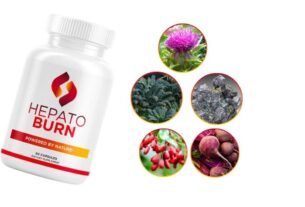
For adults whose primary concern is HepatoBurn liver function markers and liver-focused fat burning through Silymarin, Glutathione, and Berberine (rather than overall longevity and Mediterranean-style nutrition), our detailed HepatoBurn review covers a complementary formula that targets the liver + weight management angle with a different mechanism of action. For adults whose primary concern is Purisaki Berberine fasting glucose, insulin sensitivity, and lipid balance (rather than overall longevity), our Purisaki Berberine review covers a complementary 1,000 mg berberine + chromium formula that targets the metabolic angle with a stronger evidence base for blood sugar support. For adults whose primary concern is Tonic Greens daily superfood and antioxidant support through a greens powder blend (rather than Mediterranean-style longevity), our Tonic Greens review covers a complementary formula that targets the daily antioxidant and gut-nutrition angle with a different blend of plant extracts.
Who Should Be More Cautious with Ikaria Juice
While Ikaria Juice is designed as a daily wellness supplement, certain individuals should consult a healthcare professional before starting. People with diagnosed liver disease, including hepatitis or cirrhosis, should not replace prescribed treatment with any supplement. Anyone taking prescription medications metabolized by the liver should consult a doctor, as several botanical ingredients can affect liver enzyme activity.
Pregnant or nursing women should exercise caution with any new supplement as a general rule. People sensitive to caffeine should be aware that green tea extract contains caffeine. People with allergies to any of the fruit extracts (acai, blueberry, hibiscus, strawberry, black currant, beet root) should review the formula carefully.
People scheduled for surgery should discontinue the supplement at least 2 weeks before the procedure. The American Liver Foundation offers helpful resources on liver health and metabolic wellness for anyone wanting to learn more. When in doubt, speak with your doctor before adding any new supplement to your routine.
Where to Buy and Important Warning
Ikaria Juice is sold exclusively through its official website. Prices may change over time, so it is always recommended to check the Ikaria Juice official website for the most up-to-date pricing and current bonuses before purchasing.
| Package | Total Price | Cost per Container | Supply | Best For |
|---|---|---|---|---|
| 1 Container | Around $69 | $69 | 30 days | First-time users who want to try the formula |
| 3 Containers | Around $177 | $59 per container | 90 days | Standard supply many users consider for visible results |
| 6 Containers | Around $234 | $39 per container | 180 days | Best value per container and full metabolic support cycle |
All packages come with a 180-day money-back guarantee, meaning you can try the product for up to six months and request a full refund if you are not satisfied. Shipping is often free on multi-container orders within the United States.
Buying directly through the Ikaria Juice official website is the only way to ensure you receive the authentic product and qualify for the 180-day refund policy. Third-party sellers on Amazon, eBay, or other marketplaces are not authorized and may sell expired, diluted, or counterfeit versions that will not produce the same results.
Final Verdict
Ikaria Juice stands out in the metabolic support supplement space because it combines Fucoxanthin (with the strongest published human RCT evidence among its ingredients: the Abidov 2010 Xanthigen™ trial with 151 obese women over 16 weeks), Silymarin (with a robust 2024 meta-analysis of 26 RCTs and 2,375 patients supporting liver enzyme improvement), Citrus Pectin (with EFSA scientific opinion for reduced postprandial glucose response), and EGCG (with consistent meta-analytic evidence for modest fat loss).
At the same time, it is important to calibrate expectations honestly: Panax Ginseng has a 2020 meta-analysis showing no significant effect on body composition, African Mango has methodological limitations in published RCTs, and the marketing’s “ceramide flush” claim goes beyond what peer-reviewed research supports for any supplement.
It is not a magic cure and is not designed to replace prescription medication for diagnosed obesity or metabolic conditions, but for adults who want to support sustainable weight management, reduced cravings, and liver function through a non-stimulant, multi-pathway formula, it may be a worthwhile option to consider. The 180-day refund window also reduces the financial risk of committing to a full metabolic support cycle. Readers interested in learning more can check the Ikaria Juice official website for updated details, current pricing, and available bonuses.
Frequently Asked Questions
Does Ikaria Juice really work for weight loss?
The strongest evidence supporting Ikaria Juice comes from its lead ingredient Fucoxanthin, which has the Abidov 2010 Xanthigen™ trial (151 obese women, 16 weeks, 5.5 kg weight loss in NAFLD subgroup) and a 2024 meta-analysis of 11 RCTs in Nutrition Reviews showing significant BMI and body fat reductions. Silymarin has a 2024 meta-analysis of 26 RCTs supporting liver enzyme improvement. Citrus Pectin has EFSA scientific opinion for glycemic control. However, Panax Ginseng has a 2020 meta-analysis showing NO significant effect on weight, BMI, or body fat. African Mango has methodological limitations in published RCTs. The expected weight loss is modest (typically 0.5 to 2 kg over 8 to 12 weeks) and most meaningful when combined with diet and exercise. User reviews tend to report gradual reduction in evening cravings and modest weight loss over 60 to 90 days.
Are there any side effects associated with Ikaria Juice?
Ikaria Juice is formulated with natural ingredients and is generally well tolerated. Some users may experience mild digestive adjustment during the first week, particularly from the soluble fiber (Citrus Pectin). Panax Ginseng may affect blood pressure and sleep in sensitive individuals. Green tea extract (EGCG) contains caffeine. People taking prescription medications that affect liver metabolism or blood sugar should consult a healthcare professional before starting.
How should I take Ikaria Juice and when can I expect results?
The recommended dosage is one scoop mixed into 8 ounces of water, juice, or a morning smoothie, preferably on an empty stomach for maximum absorption. Most users begin to notice reduced evening cravings and improved daily energy within the first 2 to 4 weeks, with the most significant benefits in body composition and overall metabolic comfort typically reported after 60 to 90 days of consistent use. Combining Ikaria Juice with a balanced diet, reduced refined sugar intake, and regular physical activity will substantially improve results.
What is the money-back guarantee for Ikaria Juice?
Every order of Ikaria Juice is backed by a 180-day money-back guarantee. If you are not satisfied with the product for any reason, you can request a full refund within 180 days of purchase, no questions asked. This is one of the most generous refund windows in the supplement space.
Where should I buy Ikaria Juice to make sure I get the real product?
Ikaria Juice should only be purchased through the Ikaria Juice official website to ensure authenticity and qualify for the 180-day refund policy. Third-party sellers on Amazon, eBay, or other marketplaces are not authorized and may sell counterfeit versions that do not match the original formula.
Can Ikaria Juice help with fatty liver disease or insulin resistance?
The Milk Thistle (Silymarin) in Ikaria Juice has a robust 2024 meta-analysis of 26 RCTs and 2,375 patients supporting improvements in liver enzyme markers (ALT, AST) in patients with NAFLD. Citrus Pectin has EFSA scientific opinion for reduced postprandial glucose response. However, Ikaria Juice is a wellness supplement and is not a substitute for medical evaluation or treatment of diagnosed liver disease or insulin resistance. Anyone with suspected or diagnosed metabolic conditions should consult a hepatologist, endocrinologist, or primary care physician for proper evaluation and follow-up.
These statements have not been evaluated by the FDA. This product is not intended to diagnose, treat, cure, or prevent any disease.

Raphael Albert is the founder and content creator of Nutra Plus. Passionate about health, nutrition, fitness, and wellness, he spends his time researching scientific studies, health trends, and evidence-based lifestyle strategies to create informative and easy-to-understand content. While he is not a doctor or licensed healthcare professional, his goal is to help readers make more informed wellness decisions. All content is for educational purposes only and should not replace professional medical advice. Always consult a qualified healthcare provider regarding your health concerns.
2 thoughts on “Ikaria Juice Review: The Trial Behind It Tested an Ingredient This Doesn’t Contain”