
This article contains affiliate links. The author may earn a commission at no extra cost to you. This content is for informational purposes only and does not constitute medical advice. Always consult a qualified healthcare professional before starting any new supplement or health product.
Important note before reading: Three categories dominate the liver support supplement market in 2026 — multi-ingredient proprietary blends like HepatoBurn (combining Silymarin, Glutathione, Berberine, Green Tea Extract, Chlorogenic Acid, and other compounds), single-ingredient Milk Thistle / Silymarin supplements (the traditional gold standard with decades of clinical research), and single-ingredient Berberine supplements (which target liver health through metabolic pathways — blood sugar, lipids, and insulin sensitivity). Each approach has a different evidence base, mechanism of action, and value proposition.
However, an honest reading of the available research shows that HepatoBurn‘s proprietary blend does not disclose individual ingredient dosages, no clinical trial has been conducted on the finished formula, and the expected benefit is moderate, multi-pathway support rather than targeted high-dose intervention.
Milk Thistle has the strongest and longest-standing evidence for direct liver cell protection, particularly in NAFLD, alcoholic liver disease, and toxin-induced damage.Berberine has the strongest evidence for metabolic-driven liver support, with multiple meta-analyses supporting its effects on fasting glucose, HbA1c, and lipid markers. This HepatoBurn vs Milk Thistle vs Berberine comparison separates what the science actually sustains from what is good marketing, and clarifies how the HepatoBurn vs Milk Thistle vs Berberine decision should be made based on your specific liver wellness goal.
In 2026, the HepatoBurn vs Milk Thistle vs Berberine decision has become one of the most common comparisons for adults shopping for liver support. This HepatoBurn vs Milk Thistle vs Berberine comparison breaks down the ingredients, evidence, value, and honest limitations of each option so you can choose with confidence.
HepatoBurn is a multi-ingredient proprietary blend targeting multiple liver pathways at once. Milk Thistle is the time-tested single-ingredient option. Berberine is the metabolic-focused option with strong evidence for blood sugar and lipid support, with secondary liver benefits. Throughout this HepatoBurn vs Milk Thistle vs Berberine comparison, we will reference each formula’s primary mechanism, clinical evidence, and ideal user profile.
What Is HepatoBurn?
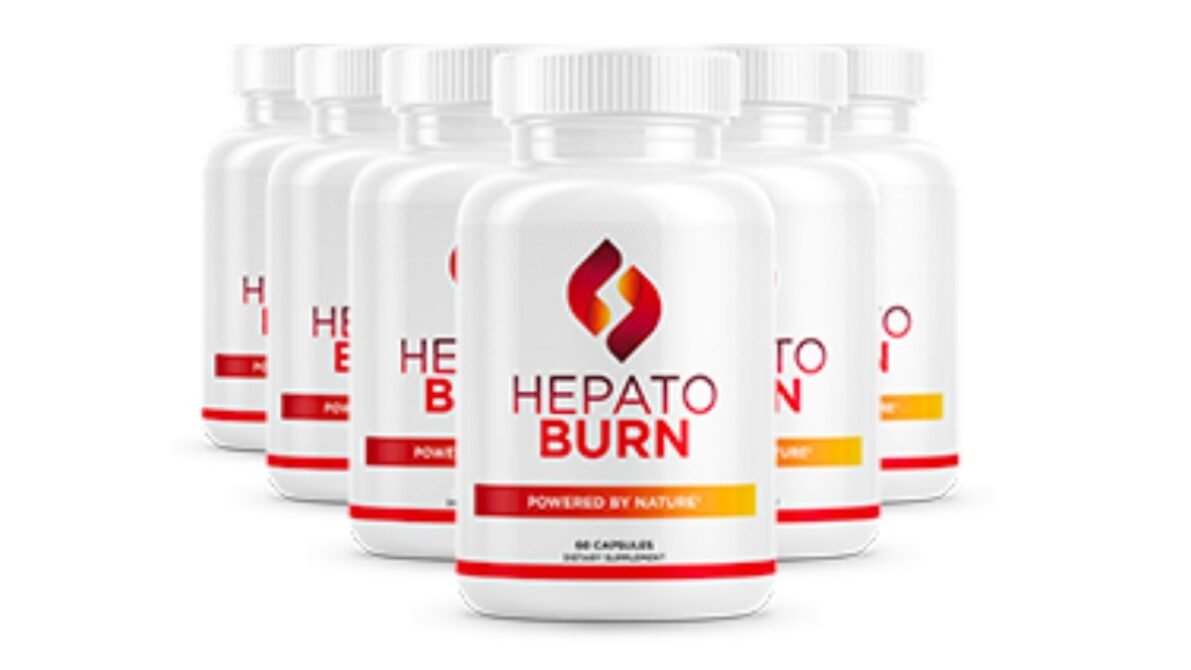
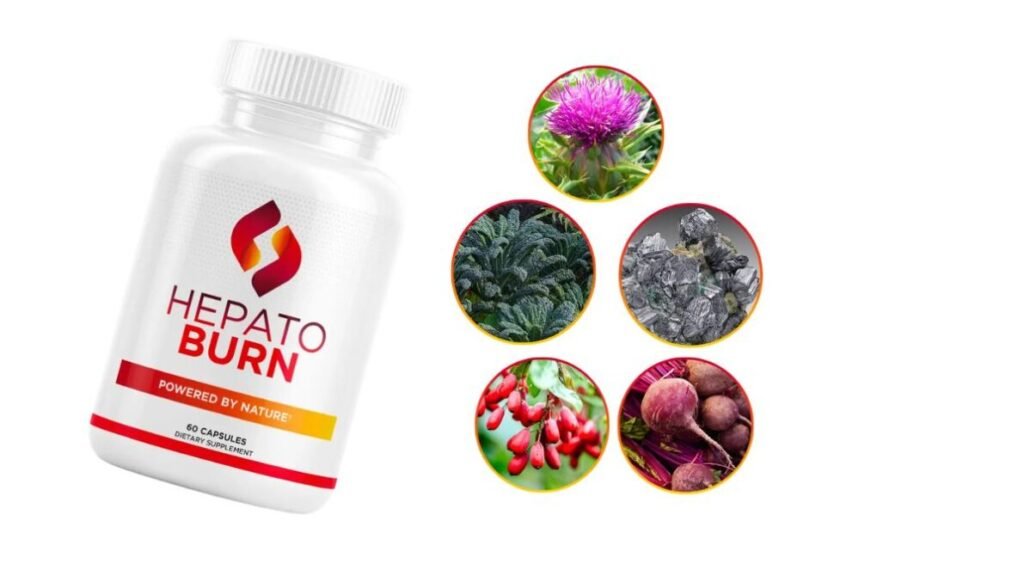
HepatoBurn is a multi-ingredient liver support supplement formulated as a daily capsule combining Silymarin (from Milk Thistle), Glutathione, Berberine, Green Tea Extract, Chlorogenic Acid, and other compounds in a proprietary blend. The formula is marketed for “liver-focused fat burning,” targeting both liver function markers (ALT, AST) and metabolic markers (weight, lipids, fasting glucose). It is sold via ClickBank and backed by a 60-day money-back guarantee.
Honest limitation: the proprietary blend does not disclose individual ingredient dosages, which makes it difficult to compare with published clinical research doses for any single ingredient. The expected benefit is moderate, multi-pathway support rather than targeted high-dose intervention.
What Is Milk Thistle (Silymarin)?
Milk Thistle (Silybum marianum) is a traditional herbal extract used for liver support for over 2,000 years. The active compound is Silymarin, a standardized extract (typically 70-80% Silymarin) studied in hundreds of clinical trials for liver protection, liver cell regeneration, and liver function marker improvement (ALT, AST, GGT).
Evidence strength: Strong. Multiple Cochrane reviews, meta-analyses, and RCTs support Silymarin’s role in liver protection, particularly in alcoholic liver disease, non-alcoholic fatty liver disease (NAFLD), and toxin-induced liver damage. A 2017 meta-analysis in Medicine found that Silymarin significantly reduced ALT and AST in patients with liver disease. A 2017 Cochrane review found that Silymarin may reduce liver-related mortality, though the evidence quality is moderate.
Typical dose: 200-400 mg of standardized Silymarin (70-80%) per day, divided into 2-3 doses.
What Is Berberine?
Berberine is a plant alkaloid extracted from several plants (Berberis aristata, Coptis chinensis, Hydrastis canadensis) studied extensively for metabolic health. It works through multiple mechanisms, including activation of AMPK (AMP-activated protein kinase), which improves insulin sensitivity, glucose uptake, and lipid metabolism. Secondary liver benefits include reduced liver fat accumulation, improved liver enzyme markers, and reduced hepatic inflammation.
Evidence strength: Strong. A 2024 meta-analysis in Phytomedicine found that Berberine significantly reduced fasting blood glucose, HbA1c, total cholesterol, triglycerides, and LDL-C in patients with metabolic syndrome. A 2023 meta-analysis found that Berberine improved liver enzyme markers (ALT, AST) in patients with NAFLD. Berberine is often called “natural metformin” because of its comparable effects on blood sugar and insulin sensitivity.
Typical dose: 1,000-1,500 mg per day, divided into 2-3 doses before meals.
Quick Comparison: HepatoBurn vs Milk Thistle vs Berberine
| Attribute | HepatoBurn | Milk Thistle (Silymarin) | Berberine |
|---|---|---|---|
| Type | Multi-ingredient proprietary blend | Single-ingredient standardized extract | Single-ingredient alkaloid |
| Key actives | Silymarin + Glutathione + Berberine + Green Tea + Chlorogenic Acid | Silymarin (80% standardized) | Berberine HCl (97% purity) |
| Primary target | Liver function + fat burning + metabolic | Liver function + liver cell protection | Blood sugar + lipids + metabolic |
| Strongest evidence | Multi-pathway (component-level) | Strong (decades of RCTs) | Strong (multiple meta-analyses) |
| Typical dose | Proprietary blend (doses not disclosed) | 200-400 mg Silymarin/day | 1,000-1,500 mg Berberine/day |
| Best for | Adults wanting comprehensive liver + metabolic support | Adults wanting traditional, well-researched liver support | Adults with blood sugar / lipid concerns |
| Price range | $59-$69/bottle | $15-$30/bottle | $20-$40/bottle |
| Money-back guarantee | 60 days | Varies by brand | Varies by brand |
Evidence Comparison: Which Has the Strongest Research?
| Evidence Category | HepatoBurn | Milk Thistle (Silymarin) | Berberine |
|---|---|---|---|
| Direct liver cell protection | Moderate (Silymarin component) | Strong | Moderate (secondary) |
| ALT/AST reduction | Moderate (multi-component) | Strong | Moderate |
| NAFLD / fatty liver (liver-driven) | Moderate | Strong | Moderate-Strong |
| NAFLD (metabolic-driven) | Moderate | Weak | Strong |
| Fasting blood glucose | Moderate (Berberine + Chlorogenic Acid) | Weak | Strong |
| HbA1c reduction | Moderate (Berberine component) | Weak | Strong |
| Total cholesterol / triglycerides / LDL-C | Moderate (Berberine + Green Tea) | Weak | Strong |
| Antioxidant / Glutathione support | Moderate (Glutathione component) | Strong (Silymarin is antioxidant) | Weak |
| Long-term safety | Limited (proprietary blend) | Strong (decades of use) | Strong (multiple safety studies) |
Verdict on evidence: For direct liver cell protection, Milk Thistle / Silymarin has the strongest and longest-standing evidence. For metabolic markers (blood sugar, lipids, weight), Berberine has the strongest evidence. HepatoBurn has moderate evidence across multiple pathways but cannot match the clinical doses used in published trials for any single ingredient. This is the central finding of the HepatoBurn vs Milk Thistle vs Berberine evidence analysis, and it shapes the recommendations throughout this comparison The HepatoBurn vs Milk Thistle vs Berberine evidence comparison ultimately favors the two single-ingredient options for per-ingredient dose precision and clinical reproducibility.
How Each Formula Works
HepatoBurn (5 mechanisms)
- Silymarin component → liver cell protection, antioxidant, anti-inflammatory
- Glutathione component → master antioxidant, phase II liver detoxification
- Berberine component → AMPK activation, blood sugar, lipids
- Green Tea Extract (EGCG) → antioxidant, fat oxidation
- Chlorogenic Acid → glucose metabolism
Milk Thistle (Silymarin) (4 mechanisms)
- Antioxidant → neutralizes free radicals that damage liver cells
- Anti-inflammatory → reduces liver inflammation (especially in NAFLD, alcoholic liver disease)
- Antifibrotic → may slow liver fibrosis progression
- Cell membrane stabilization → protects liver cell membranes from toxins
Berberine (3 mechanisms)
- AMPK activation → improves insulin sensitivity, glucose uptake, lipid metabolism
- Liver fat reduction → reduces hepatic lipid accumulation
- Anti-inflammatory → reduces liver inflammation secondary to metabolic improvement
Honest framing: HepatoBurn tries to cover all 3 mechanisms (Silymarin + Berberine + Glutathione) in one formula, but with limited dosage disclosure. Milk Thistle is the deepest single-ingredient option for liver cell protection. Berberine is the deepest single-ingredient option for metabolic-driven liver support. None of the three options in this HepatoBurn vs Milk Thistle vs Berberine comparison is universally superior — each one has a specific use case where it shines.
Pros and Cons
HepatoBurn
Pros:
- Multi-pathway formula (5+ mechanisms in one capsule)
- Combines the best of both Milk Thistle and Berberine approaches
- Convenient single-supplement solution
- 60-day money-back guarantee
- ClickBank purchase protection
Cons:
- Proprietary blend does not disclose individual ingredient dosages
- Cannot match clinical doses for any single ingredient
- More expensive per dose than single-ingredient alternatives
- Limited long-term safety data on the specific blend
- No clinical trial on the finished formula
Milk Thistle (Silymarin)
Pros:
- Strongest and longest-standing evidence for liver cell protection
- Time-tested over decades of clinical use
- Affordable and widely available
- Standardized extracts (70-80% Silymarin) ensure consistent dosing
- Strong safety profile
Cons:
- Single-ingredient approach (no metabolic support)
- Less effective for blood sugar, lipids, and weight compared to Berberine
- Requires stacking with additional supplements for comprehensive metabolic support
Berberine
Pros:
- Strongest evidence for metabolic markers (blood sugar, lipids, HbA1c)
- Effective for NAFLD driven by metabolic syndrome
- Affordable and widely available
- Multiple meta-analyses support efficacy
- Comparable effects to metformin for blood sugar control
- Well-studied safety profile
Cons:
- Single-ingredient approach (no direct liver cell protection)
- Less effective for direct liver cell protection compared to Silymarin
- Requires stacking with Milk Thistle for comprehensive liver support
- Can cause mild GI side effects in some users
- May interact with certain medications (metformin, blood pressure drugs)
Winner by Category
| Category | Winner | Why |
|---|---|---|
| Direct liver cell protection | Milk Thistle | Decades of RCTs, strongest evidence |
| ALT/AST reduction | Milk Thistle | Multiple meta-analyses, 2017 Cochrane review |
| NAFLD / fatty liver (liver-driven) | Milk Thistle | Strongest direct evidence for liver-specific outcomes |
| NAFLD (metabolic-driven) | Berberine | Strongest evidence for metabolic root cause |
| Fasting blood glucose | Berberine | Multiple meta-analyses, comparable to metformin |
| HbA1c reduction | Berberine | Multiple meta-analyses |
| Total cholesterol / triglycerides / LDL-C | Berberine | Multiple meta-analyses |
| Antioxidant / Glutathione support | Tie (HepatoBurn / Milk Thistle) | Glutathione vs Silymarin antioxidant |
| Weight loss support | Tie (HepatoBurn / Berberine) | Multi-pathway vs metabolic |
| Affordability | Milk Thistle / Berberine | Both significantly cheaper than HepatoBurn |
| Convenience (one formula) | HepatoBurn | Multi-pathway in one capsule |
| Evidence transparency | Milk Thistle / Berberine | Single-ingredient, standardized dosing |
Who Should Choose Each Formula?
HepatoBurn is the better fit if you want a comprehensive, multi-pathway formula in one capsule, you have both liver function concerns AND metabolic concerns (weight, blood sugar, lipids), you prefer the convenience of a single supplement over stacking, and you have already tried single-ingredient Milk Thistle or Berberine without sufficient results.
Milk Thistle (Silymarin) is the better fit if you have primary liver concerns (elevated ALT/AST, NAFLD, fatty liver, alcoholic liver damage, toxin exposure), you want the time-tested, most researched liver support supplement available, you prefer a single-ingredient standardized formula, you want an affordable option with strong safety data, and you are taking medications that affect the liver.
Berberine is the better fit if you have primary metabolic concerns (elevated fasting glucose, HbA1c, triglycerides, LDL-C, insulin resistance), you are targeting NAFLD driven by metabolic syndrome (the most common form of fatty liver), you want the strongest evidence-based natural option for blood sugar and lipid support, and you prefer a single-ingredient well-studied formula. The right choice in the HepatoBurn vs Milk Thistle vs Berberine decision ultimately comes down to matching the formula to your primary liver wellness goal. For a complementary berberine-based formula, our Purisaki Berberine review covers a 1,000 mg berberine + chromium option designed for metabolic support.
Final Verdict
HepatoBurn, Milk Thistle, and Berberine are all legitimate liver support options, but they target different mechanisms and serve different primary goals. HepatoBurn is a multi-pathway formula that tries to cover liver + metabolic support in one capsule, but with limited dosage disclosure and a higher price. Milk Thistle is the time-tested gold standard for direct liver cell protection. Berberine is the evidence-based gold standard for metabolic-driven liver support.
Choose HepatoBurn if: you want a comprehensive, multi-pathway formula in one capsule, you have both liver and metabolic concerns, and you prefer convenience over per-ingredient dose precision.
Choose Milk Thistle if: your primary concern is direct liver cell protection (NAFLD, elevated ALT/AST, alcoholic liver damage, toxin exposure), and you want the most researched and affordable single-ingredient option.
Choose Berberine if: your primary concern is metabolic-driven liver support (elevated blood sugar, HbA1c, triglycerides, insulin resistance), and you want the strongest evidence-based option for those specific markers.
Stacking option (and a recurring question in the HepatoBurn vs Milk Thistle vs Berberine discussion): for comprehensive liver + metabolic support, you can also consider stacking Milk Thistle (400 mg/day) + Berberine (1,000-1,500 mg/day) at a lower total cost than HepatoBurn, with the advantage of standardized, clinically validated doses for each ingredient.
For a broader ranking that includes NAC, TUDCA, and other formulas, our best liver support supplements of 2026 article covers the top 5 options in detail. Readers interested in learning more about HepatoBurn can read the full HepatoBurn review or visit the HepatoBurn official website for updated details, current pricing, and available bonuses.The final HepatoBurn vs Milk Thistle vs Berberine decision should be based on whether your primary concern is direct liver cell protection (Milk Thistle), metabolic-driven liver support (Berberine), or comprehensive multi-pathway convenience (HepatoBurn).
Frequently Asked Questions
In the HepatoBurn vs Milk Thistle vs Berberine comparison, which is best for fatty liver (NAFLD)?
It depends on the root cause. Throughout this HepatoBurn vs Milk Thistle vs Berberine analysis, the answer consistently points to matching the formula to the underlying driver of fatty liver.If your fatty liver is driven primarily by liver-specific issues (alcohol, toxins, hepatitis), Milk Thistle has the strongest direct evidence for liver cell protection.
If your fatty liver is driven primarily by metabolic syndrome (insulin resistance, obesity, high triglycerides), Berberine has the strongest evidence for addressing the metabolic root cause. If you have both, HepatoBurn offers a convenient multi-pathway approach, or you can stack Milk Thistle + Berberine for stronger per-ingredient dosing.
Can I take Milk Thistle and Berberine together?
Yes, there is no published evidence showing harm in combining Milk Thistle and Berberine. The two supplements work through different mechanisms (liver cell protection vs metabolic activation), so they can complement each other.
Many liver support protocols use both together. However, if you are taking prescription medications (metformin, blood pressure drugs, blood thinners), consult your doctor before combining supplements.
In the HepatoBurn vs Milk Thistle vs Berberine analysis, is HepatoBurn better than taking Milk Thistle and Berberine separately?
Not necessarily, and this is one of the most important conclusions of the HepatoBurn vs Milk Thistle vs Berberine analysis.
HepatoBurn combines the best of both approaches in one formula, but the proprietary blend does not disclose individual ingredient dosages. This means it cannot match the clinical doses used in published trials for either Milk Thistle (200-400 mg Silymarin/day) or Berberine (1,000-1,500 mg/day). For stronger per-ingredient dosing, stacking Milk Thistle + Berberine separately is often more effective and more affordable than HepatoBurn.
How long before I see results with any of these?
For Milk Thistle, most users begin to notice improvement in liver enzyme markers (ALT, AST) within 4 to 8 weeks, with more significant changes after 8 to 12 weeks of consistent use. For Berberine, most users begin to notice improvement in blood sugar and lipid markers within 2 to 4 weeks, with more significant changes after 8 to 12 weeks. For HepatoBurn, results depend on which pathway is most active, but most users report moderate improvement in multiple markers after 8 to 12 weeks.
Where should I buy them to make sure I get the real product?
HepatoBurn should only be purchased through the HepatoBurn official website to ensure authenticity and qualify for the 60-day refund policy. Milk Thistle and Berberine are widely available from reputable brands (Thorne, Jarrow, Life Extension, NOW Foods) and can be purchased from trusted retailers (Amazon, iHerb, Vitacost, or brand websites). Look for standardized extracts (Silymarin 70-80% for Milk Thistle, Berberine HCl 97% for Berberine) and third-party testing certification (USP, NSF, ConsumerLab).
Can any of these replace prescription medication for liver disease?
No. All three formulas are dietary supplements designed to support liver function, not replace prescription medication for diagnosed liver conditions (hepatitis B/C, cirrhosis, liver cancer, autoimmune hepatitis). Anyone with diagnosed liver disease should work with a hepatologist or gastroenterologist for proper diagnosis and treatment. These supplements may be used as complementary wellness support alongside medical treatment, but should not replace prescribed therapy.
These statements have not been evaluated by the FDA. These products are not intended to diagnose, treat, cure, or prevent any disease.

Raphael Albert is the founder and content creator of Nutra Pulse. Passionate about health, nutrition, fitness, and wellness, he spends his time researching scientific studies, health trends, and evidence-based lifestyle strategies to create informative and easy-to-understand content. While he is not a doctor or licensed healthcare professional, his goal is to help readers make more informed wellness decisions. All content is for educational purposes only and should not replace professional medical advice. Always consult a qualified healthcare provider regarding your health concerns.
1 thought on “HepatoBurn vs Milk Thistle vs Berberine (2026): A Powerful, Honest Look at Which Liver Support Supplement Actually Works Best”