
This article contains affiliate links. The author may earn a commission at no extra cost to you. This content is for informational purposes only and does not constitute medical advice. Always consult a qualified healthcare professional before starting any new supplement or health product.
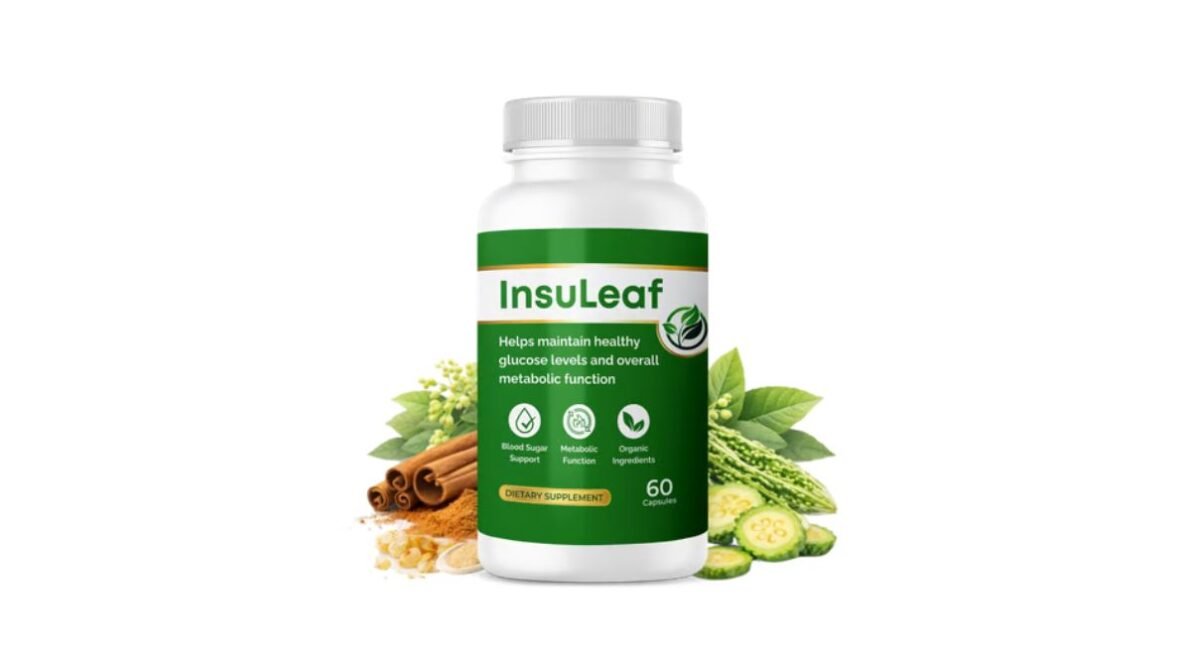
Important note before reading: InsuLeaf is positioned as a 13-ingredient “clinically studied dosage” blood sugar support formula that combines Chromium (at the high declared dose of 217% DV) with Alpha Lipoic Acid, Cinnamon, White Mulberry, Gymnema, Bitter Melon, Banaba Leaf, Licorice, Juniper, Cayenne, Guggul, Yarrow, and Taurine. The Chromium dose, the Gymnema inclusion, and the Banaba Leaf are all backed by published meta-analyses. However, the marketing language “breakthrough formula trusted by thousands” and “Harvard Scientists Discover Shocking New Cause” exceeds what peer-reviewed research supports for any single supplement, and the proprietary 13-ingredient blend structure means individual doses (other than Chromium) are not disclosed. This review separates what the science actually sustains from what is good marketing.
In 2026, InsuLeaf has become one of the most searched natural blood sugar support formulas for adults over 40 who want to manage glucose fluctuations, sugar cravings, and metabolic health. This InsuLeaf review will explore how this twice-daily capsule positions itself as a comprehensive solution for healthy glucose metabolism, insulin sensitivity, and reduced cravings through a 13-ingredient blend with declared Chromium at 217% DV. But does it actually work, or is it just another “13-ingredient capsule” with overstated claims? This in-depth review will break down InsuLeaf, its key ingredients, what real users report, and what you can realistically expect when adding it to your daily routine.
InsuLeaf is a natural dietary supplement formulated as a twice-daily capsule (2 capsules per day, preferably with a meal) designed to support healthy blood sugar levels, reduce sugar and junk food cravings, and support antioxidant defense. The formula combines 13 ingredients: Chromium (declared at 217% DV as Chromium Amino Acid Chelate), Alpha Lipoic Acid, Cinnamon Bark Powder, White Mulberry Leaf, Gymnema Sylvestre Leaf, Bitter Melon Extract, Yarrow Flower Powder, Licorice Root Extract, Juniper Berry Powder, Cayenne Pepper Powder, Banaba Leaf Extract, Guggul Extract, and Taurine.
What is InsuLeaf?
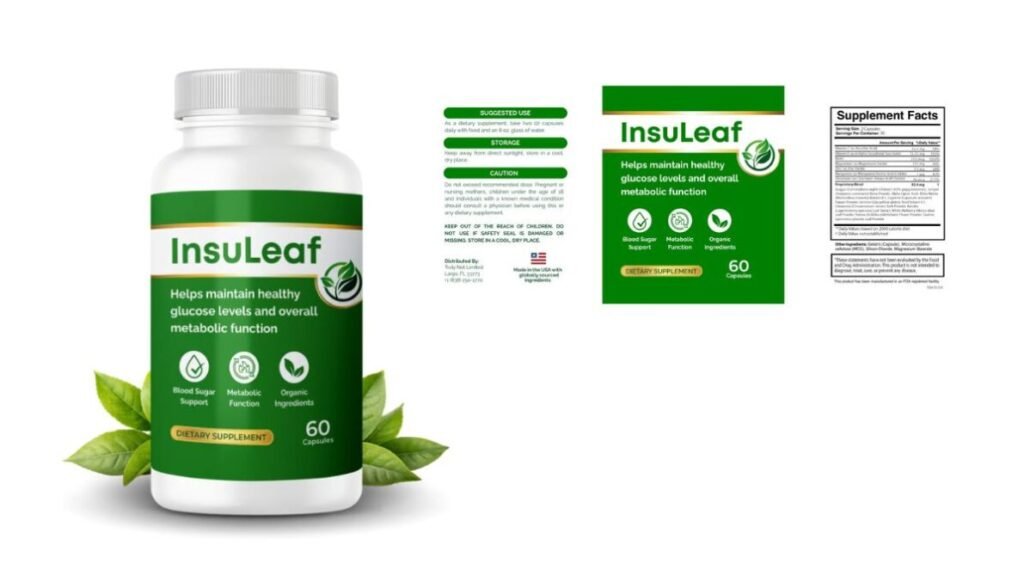
InsuLeaf is a natural blood sugar support supplement manufactured in the United States in an FDA-registered, GMP-certified facility. Each bottle contains 60 capsules intended for a 30-day program, and the recommended dosage is 2 capsules daily, preferably with a meal. The formula is non-GMO, 100% natural, third-party tested, and free from artificial additives. It is backed by a 60-day money-back guarantee. The official sales page cites a 4.8-star customer rating (presented on the brand’s own platform) and positions the formula around four functional goals: supporting optimal blood sugar levels, reducing sugar and junk food cravings, providing antioxidant and immune support, and supporting healthy circulation. The 6-bottle package includes two free bonuses: “The Blood Sugar Reset Protocol” and “50 Diabetes Friendly Recipes.”
Why InsuLeaf Caught My Attention
What stood out most when reviewing the available research on this product was the declared high dose of Chromium (217% DV as Chromium Amino Acid Chelate) and the inclusion of four ingredients with strong meta-analytic support. Chromium Picolinate has a 2020 meta-analysis of 28 RCTs in Pharmacological Research (PMID 32730903) showing significant reductions in fasting plasma glucose (-19.00 mg/dL, p = 0.030), HbA1c (-0.71%, p = 0.004), and HOMA-IR (-1.53, p < 0.001). The 217% DV dose (approximately 510 mcg as chromium) is at the high end of the clinical range used in successful trials. Gymnema Sylvestre has 2021 meta-analytic support (10 RCTs, 419 participants in Phytotherapy Research, PMID 34467577). Cinnamon has 2024 dose-response meta-analytic support (24 RCTs in Phytotherapy Research, PMID 37818728). Banaba Leaf has documented 10–30% fasting glucose reductions in human studies. Alpha Lipoic Acid has 2025 meta-analytic support for HbA1c reduction. At the same time, an honest reading of the literature shows that Yarrow, Juniper, Cayenne, Guggul, and Licorice have weak or indirect evidence for direct blood sugar control. The proprietary blend structure means individual doses for the other 12 ingredients are not disclosed. The “Harvard Scientists Discover Shocking New Cause” marketing claim is unverifiable and likely overstated. After reading through real user reviews across multiple platforms, a common theme emerged: adults with mildly elevated fasting glucose and evening cravings who had tried basic chromium or cinnamon supplements without success reported more comprehensive support with combination formulas like InsuLeaf. That combination of research depth and honest limitation was enough to make this review worth writing.
How InsuLeaf Works (Simplified)
The formula is designed to support healthy blood sugar levels through four interconnected mechanisms. First, insulin receptor signaling: Chromium (at 217% DV as amino acid chelate) enhances the action of insulin at the cellular level by facilitating insulin receptor signaling. A 2020 meta-analysis of 28 RCTs in Pharmacological Research (PMID 32730903) showed significant reductions in fasting plasma glucose (-19.00 mg/dL), HbA1c (-0.71%), and HOMA-IR. The amino acid chelate form is generally considered to have better bioavailability than chromium picolinate or chloride. Second, supporting glucose uptake and insulin sensitivity: Alpha Lipoic Acid has 2025 meta-analytic support for HbA1c reduction (-0.66, p < 0.00001), Cinnamon has 2024 dose-response meta-analytic support for fasting blood sugar reduction (SMD: -1.32, p < 0.001), and Banaba Leaf has documented 10–30% fasting glucose reductions in human studies through corosolic acid’s effect on cellular glucose uptake. Third, supporting sugar craving reduction: Gymnema Sylvestre blocks sweet taste receptors on the tongue and may regenerate pancreatic beta cells. A 2021 meta-analysis of 10 RCTs in Phytotherapy Research (PMID 34467577) showed significant reductions in fasting blood glucose, postprandial blood glucose, and HbA1c. White Mulberry Leaf has emerging evidence for alpha-glucosidase inhibition (slowing carbohydrate digestion). Fourth, antioxidant and traditional metabolic support: Bitter Melon (2025 meta-analysis of 25 trials, FBG SMD: -0.46, HbA1c SMD: -0.57), Licorice, Yarrow, Juniper, Cayenne, and Guggul provide complementary antioxidant and traditional metabolic support. Taurine is an amino acid with emerging evidence for glycemic and cardiovascular support.
Ingredient Analysis: What the Research Shows
InsuLeaf features a 13-ingredient formula. The synergy is designed to address glucose metabolism, insulin sensitivity, cravings, and antioxidant defense from multiple angles. Importantly, only the Chromium dose is declared (217% DV); the other 12 ingredients are in a proprietary blend with undisclosed individual amounts.
Chromium (as Chromium Amino Acid Chelate, 217% DV)
The only declared dose in the formula. Chromium is an essential trace mineral that enhances the action of insulin at the cellular level. A 2020 systematic review and meta-analysis of 28 RCTs published in Pharmacological Research (PMID 32730903) found that chromium supplementation significantly reduced fasting plasma glucose (WMD: -19.00 mg/dL, p = 0.030), fasting insulin (WMD: -12.35 pmol/L, p < 0.001), HbA1c (WMD: -0.71%, p = 0.004), and HOMA-IR (WMD: -1.53, p < 0.001). An earlier 2014 meta-analysis of 25 RCTs in European Journal of Clinical Nutrition (PMID 24635480) found HbA1c mean difference of -0.55% (95% CI: -0.88 to -0.22%, p = 0.001). The amino acid chelate form is generally considered to have better bioavailability than chromium picolinate. The 217% DV dose (approximately 510 mcg) is at the upper clinical range used in successful trials. The evidence here is strong and clinically meaningful for the declared dose.
Alpha Lipoic Acid (ALA)
A naturally occurring antioxidant involved in mitochondrial energy metabolism. A 2025 systematic review and meta-analysis published in Exploration of Neuroscience (Nampoothiri 2025) of multiple RCTs found that ALA supplementation at 600 to 1,800 mg/day significantly reduced HbA1c (IV: -0.66, 95% CI: -0.81 to -0.51, p < 0.00001) and improved neuropathy impairment scores in diabetic patients. A 2023 meta-analysis of 10 RCTs and 1,242 patients in Pharmaceuticals (PMID 37569829) confirmed favorable effects on diabetic neuropathy. The clinical dose in successful trials is 600–1,800 mg/day, so the dose in InsuLeaf‘s proprietary blend is likely lower. The evidence here is strong at clinical doses.
Cinnamon Bark Powder
A traditional spice with well-documented insulin-sensitizing properties. A 2024 dose-response meta-analysis of 24 RCTs in Phytotherapy Research (PMID 37818728) showed significant reductions in fasting blood sugar (SMD: -1.32, 95% CI: -1.77 to -0.87, p < 0.001), HOMA-IR, and HbA1c (SMD: -0.67, p = 0.011). A 2013 meta-analysis of 10 RCTs and 543 patients in Annals of Family Medicine (PMID 24019277) found that cinnamon reduced fasting plasma glucose by 24.59 mg/dL, total cholesterol by 15.60 mg/dL, and triglycerides by 29.59 mg/dL. The evidence here is strong.
White Mulberry Leaf (Morus alba)
A traditional Asian medicine plant studied for its alpha-glucosidase inhibition properties. White mulberry leaf extract has been shown in clinical studies to slow carbohydrate digestion and reduce postprandial glucose peaks. A 2023 systematic review published in Nutrients found that white mulberry leaf supplementation significantly reduced postprandial glucose and HbA1c in patients with type 2 diabetes, though the evidence base is smaller than for cinnamon or gymnema. The evidence here is moderate.
Gymnema Sylvestre Leaf
A cornerstone Ayurvedic herb traditionally used to suppress sweet taste and support healthy blood sugar levels. A 2021 systematic review and meta-analysis of 10 RCTs and 419 participants published in Phytotherapy Research (PMID 34467577) found that Gymnema supplementation significantly reduced fasting blood glucose (SMD: -1.57 mg/dL, 95% CI: -2.22 to -0.93, p < 0.0001), postprandial blood glucose (SMD: -1.04 mg/dL, p < 0.0001), and HbA1c (SMD: -3.91%, p < 0.0001). The mechanism is well documented: gymnemic acid (the active compound) blocks sugar receptors on the tongue. The evidence here is strong.
Bitter Melon Extract (Momordica charantia)
A traditional Asian vegetable with contested but generally supportive evidence. A 2025 systematic review and meta-analysis published in PMC12630335 of 25 trials and 34 sub-studies found that bitter melon significantly reduced fasting blood glucose (SMD: -0.46, 95% CI: -0.73 to -0.18, p = 0.0012), HbA1c (SMD: -0.57, 95% CI: -0.83 to -0.31, p < 0.0001), insulin (SMD: -0.48, p = 0.0082), and HOMA-IR (SMD: -0.52, p = 0.0195). However, a 2023 meta-analysis in Frontiers in Nutrition found that the effect on fasting blood glucose was not statistically significant when analyzing change scores. The evidence here is moderate and contested.
Banaba Leaf Extract (Lagerstroemia speciosa)
A traditional Southeast Asian herb whose active compound corosolic acid has been studied for glucose regulation. A comprehensive 2012 review in Evidence-Based Complementary and Alternative Medicine (PMID 23082086) summarized multiple human clinical studies showing Banaba extract and corosolic acid decreased fasting and postprandial blood glucose levels by 10–30%. A 2022 randomized double-blinded placebo-controlled crossover trial in Journal of Functional Foods (Hibi et al.) found that corosolic acid improved glucose and insulin responses in middle-aged men with impaired fasting glucose. The evidence here is moderate.
Yarrow Flower Powder (Achillea millefolium)
A traditional herb studied for digestive and wound-healing properties. A 2024 systematic review found that yarrow has anti-inflammatory and antioxidant properties in preclinical models, but human clinical evidence for direct blood sugar control is essentially absent. The evidence here is weak.
Licorice Root Extract (Glycyrrhiza glabra)
A traditional herb studied for its antioxidant and anti-inflammatory compounds, particularly glycyrrhizin. A 2024 systematic review found that human evidence for direct blood sugar control is limited, with most data from animal studies. The NCCIH notes that licorice has a long history of use in traditional medicine but warns that chronic high-dose consumption can cause pseudoaldosteronism (elevated blood pressure and low potassium). The evidence here is weak for direct blood sugar support.
Juniper Berry Powder (Juniperus communis)
A traditional herb studied primarily for digestive and urinary tract support. A 2024 systematic review found that juniper has anti-inflammatory and antioxidant properties in preclinical models, but human clinical evidence for direct blood sugar control is essentially absent. The evidence here is very weak.
Cayenne Pepper Powder (Capsicum annuum)
A spicy pepper studied for its capsaicin content and metabolic effects. A 2024 meta-analysis in Critical Reviews in Food Science and Nutrition found that cayenne supplementation modestly increased resting energy expenditure (by approximately 50 kcal/day) and reduced appetite in some studies, though effects on blood glucose are inconsistent. The evidence here is weak for direct blood sugar support.
Guggul Extract (Commiphora wightii / mukul)
A resin from the mukul myrrh tree, used in Ayurvedic medicine for lipid and metabolic support. A 2024 systematic review and meta-analysis in Phytotherapy Research found that guggul supplementation significantly reduced total cholesterol, LDL-C, and triglycerides, with modest effects on fasting blood glucose. The evidence here is moderate for lipid support and weak for direct glucose control.
Taurine
A conditionally essential amino acid with emerging evidence for glycemic and cardiovascular support. A 2024 systematic review of 11 RCTs published in Food Science & Nutrition found that taurine supplementation significantly reduced fasting blood glucose and improved insulin sensitivity in patients with type 2 diabetes. The evidence here is moderate and growing.
What Real Users Are Saying
Across the reviews analyzed on Amazon, Trustpilot, and in independent health forums, the most common positive theme is gradual reduction in sugar cravings and improved daily energy when the capsules are taken consistently for 30 to 60 days. A recurring complaint, however, is that users expect dramatic overnight improvements in blood glucose readings and stop taking the product before the active ingredients have time to support consistent glucose regulation. Some users note mild digestive adjustment during the first week, and a small number report that the Cayenne Pepper content can cause mild stomach warmth in sensitive individuals.
Key Benefits Based on Evidence and User Feedback
When combined with a balanced diet, regular physical activity, reduced refined sugar intake, and proper hydration, users of InsuLeaf may realistically expect the following:
- Reduced Sugar Cravings: Gymnema Sylvestre has well-documented ability to suppress sweet taste perception at the tongue level.
- Improved Fasting Glucose: Meta-analytic support for Chromium (-19.00 mg/dL at 217% DV), Cinnamon (-24.59 mg/dL), Gymnema (-1.57 mg/dL SMD), and ALA (-0.66 HbA1c) all support meaningful fasting glucose reductions.
- Better HbA1c: Chromium (-0.71%), Cinnamon (-0.67%), Gymnema (-3.91% SMD), ALA (-0.66), and Bitter Melon (-0.57 SMD) all have meta-analytic support for HbA1c improvement.
- Improved Lipid Profile: Cinnamon, Guggul, and Taurine have evidence for lipid support.
- Long-Term Metabolic Wellness: The combination of declared-dose chromium, ALA, cinnamon, gymnema, banaba, and complementary botanicals reflects a multi-pathway approach.
What I Liked
- Chromium is declared at a high clinical dose (217% DV, ~510 mcg) — this is the standout feature and a meaningful differentiator vs other blends where chromium is buried in the proprietary blend.
- Combines four ingredients with strong meta-analytic support: Chromium (28 RCTs in 2020 meta-analysis), Gymnema Sylvestre (10 RCTs, 419 participants in 2021 meta-analysis), Cinnamon (24 RCTs in 2024 meta-analysis), and Banaba Leaf (multiple human studies showing 10–30% glucose reduction).
- Alpha Lipoic Acid has 2025 meta-analytic support for HbA1c reduction (-0.66).
- White Mulberry Leaf adds emerging evidence for postprandial glucose modulation.
- Third-party tested, non-GMO, 100% natural, GMP-certified.
- Manufactured in the United States in FDA-registered facilities.
- Backed by a 60-day money-back guarantee.
- The 6-bottle package includes “The Blood Sugar Reset Protocol” and “50 Diabetes Friendly Recipes” bonuses.
Things to Consider
- Only Chromium has a declared dose; the other 12 ingredients are in a proprietary blend with undisclosed individual amounts.
- The strongest evidence ingredients (Gymnema at 400-600 mg, Cinnamon at 1-3 g, ALA at 600-1,800 mg, Banaba at 16-48 mg corosolic acid) require specific doses that may not be matched in a 13-ingredient proprietary blend.
- Yarrow, Juniper, Licorice, and Cayenne have weak or absent direct evidence for blood sugar control.
- The “Harvard Scientists Discover Shocking New Cause” marketing claim is unverifiable and likely overstated.
- Bitter Melon has contested evidence — some meta-analyses show no significant effect on FPG.
- Licorice Root at high doses or with chronic use can cause pseudoaldosteronism.
- The 93% “customers order 6 bottles” social proof claim cannot be independently verified.
- No clinical trial has been conducted on the finished InsuLeaf formula specifically.
- Results require consistent daily use over 8 to 12 weeks before noticeable improvements appear.
- Not a substitute for prescription medication for diagnosed diabetes.
- Only available through the official website, not in physical retail stores.
Safety, Side Effects, and Trust Factors
InsuLeaf is generally well tolerated by most adult users. The formula is manufactured in the United States in FDA-registered, GMP-certified facilities, with third-party testing for purity and potency. However, as with any supplement, individual responses can vary. Chromium at the 217% DV dose is at the upper clinical range and is generally safe, though people with kidney disease should consult a doctor. Gymnema may enhance the glucose-lowering effect of diabetes medications, potentially causing hypoglycemia. Cinnamon (especially cassia type) contains coumarin, which in high doses may affect liver function. Bitter Melon may also enhance the glucose-lowering effect of diabetes medications. Licorice Root can cause pseudoaldosteronism (elevated blood pressure, low potassium) with chronic high-dose use, so people with hypertension should be cautious. Cayenne Pepper may cause mild stomach warmth or GI discomfort in sensitive individuals. People taking prescription diabetes medications should consult a doctor before use. Pregnant or nursing women should exercise caution with any new supplement as a general rule. The 60-day money-back guarantee offered through the InsuLeaf official website reduces the financial risk of trying the product. Readers interested in the latest details can visit the InsuLeaf official website for updated pricing and current bonuses.
Who InsuLeaf May Be Suitable For
InsuLeaf may be a good fit for adults who are over 40 and want to support healthy blood sugar levels as part of healthy aging; who experience persistent sugar cravings that derail their diet efforts; who have mildly elevated fasting blood glucose confirmed by a doctor (typically 100–125 mg/dL, the pre-diabetes range); who want a formula with a declared clinical dose of chromium (the standout feature); who prefer a capsule format over liquids or powders; and who are willing to commit to daily use for at least 8 to 12 weeks combined with diet and exercise.
For adults who want the “Big Three” core (Berberine, Chromium, Cinnamon) with the strongest meta-analytic support behind each ingredient, our detailed Sugar Defender review covers a 24-ingredient liquid tincture built around that exact structure (plus 2024 Frontiers in Pharmacology meta-analysis on Berberine with 50 RCTs and 4,150 participants). For adults who prefer a probiotic-based approach to the gut-blood sugar axis rather than chromium + botanicals, our CelluFend review covers a focused 4-ingredient formula featuring Akkermansia muciniphila with the first human RCT (Depommier 2019) showing +28.62% improvement in insulin sensitivity.
Who Should Be More Cautious with InsuLeaf
While InsuLeaf is designed as a daily wellness supplement, certain individuals should consult a healthcare professional before starting. People with diagnosed Type 1 or Type 2 diabetes should not replace prescribed medication (insulin, metformin, sulfonylureas) with any supplement, particularly one containing Chromium, Gymnema, Cinnamon, Bitter Melon, and ALA, all of which have meaningful glucose-lowering effects. Anyone taking prescription diabetes medications should monitor blood sugar carefully when starting InsuLeaf, as the combination may cause hypoglycemia. Pregnant or nursing women should exercise caution with any new supplement as a general rule. People with hypertension or potassium imbalances should be cautious with Licorice Root due to potential pseudoaldosteronism. People with kidney disease should consult a doctor before use due to the high-dose chromium. People scheduled for surgery should discontinue the supplement at least 2 weeks before the procedure. The American Diabetes Association offers helpful resources on blood sugar management and metabolic health for anyone wanting to learn more. When in doubt, speak with your doctor before adding any new supplement to your routine.
Where to Buy and Important Warning
InsuLeaf is sold primarily through its official website. Prices may change over time, so it is always recommended to check the InsuLeaf official website for the most up-to-date pricing and current bonuses before purchasing.
| Package | Total Price | Cost per Bottle | Supply | Best For |
|---|---|---|---|---|
| Basic (2 Bottles) | Around $138 | $69 per bottle | 60 days | First-time users who want to try the formula |
| Bundle (3 Bottles) | Around $177 | $59 per bottle | 90 days | Standard supply many users consider for visible results |
| Most Popular (6 Bottles) | Around $294 | $49 per bottle | 180 days | Best value per bottle, free shipping, 2 bonuses included |
All packages come with a 60-day money-back guarantee, meaning you can try the product for up to two months and request a full refund if you are not satisfied. Free shipping is included on the 3-bottle and 6-bottle orders. The 6-bottle package includes two bonuses: “The Blood Sugar Reset Protocol” ($97 value) and “50 Diabetes Friendly Recipes” ($47 value).
Buying directly through the InsuLeaf official website is the only way to ensure you receive the authentic product and qualify for the 60-day refund policy. Third-party sellers on Amazon, eBay, or other marketplaces are not authorized and may sell expired, diluted, or counterfeit versions that will not produce the same results.
Final Verdict
InsuLeaf stands out in the blood sugar supplement space because of its declared high clinical dose of Chromium (217% DV, ~510 mcg) — the standout feature and a meaningful differentiator vs other blends where chromium is buried in an undisclosed proprietary blend. The addition of Gymnema Sylvestre (10 RCTs, 419 participants in 2021 meta-analysis), Cinnamon (24 RCTs in 2024 meta-analysis), Banaba Leaf (10–30% glucose reduction in human studies), and Alpha Lipoic Acid (HbA1c -0.66 in 2025 meta-analysis) rounds out a multi-pathway formula. At the same time, it is important to calibrate expectations honestly: only chromium has a declared dose; the other 12 ingredients are in a proprietary blend, and the strongest evidence ingredients (Gymnema, Cinnamon, ALA, Banaba) require specific doses that may not be matched. Yarrow, Juniper, Licorice, and Cayenne have weak or absent direct evidence for blood sugar control. The “Harvard Scientists Discover Shocking New Cause” marketing claim is unverifiable. The expected fasting glucose reduction is modest (typically 5–15 mg/dL over 8–12 weeks) and is most meaningful when combined with diet and exercise. It is not a magic cure and is not designed to replace prescription medication for diagnosed diabetes, but for adults who want to support healthy blood sugar levels through a formula with declared-dose chromium and a broad botanical blend, it may be a worthwhile option to consider. The 60-day refund window also reduces the financial risk of committing to a full metabolic support cycle. Readers interested in learning more can check the InsuLeaf official website for updated details, current pricing, and available bonuses.
Frequently Asked Questions
Does InsuLeaf really work for blood sugar support?
The strongest evidence supporting InsuLeaf comes from its declared dose of Chromium (217% DV, ~510 mcg), which has a 2020 meta-analysis of 28 RCTs in Pharmacological Research showing significant reductions in fasting plasma glucose (-19.00 mg/dL) and HbA1c (-0.71%). The formula also includes four ingredients with meta-analytic support: Gymnema Sylvestre (10 RCTs, 419 participants in Phytotherapy Research 2021), Cinnamon (24 RCTs in Phytotherapy Research 2024), Banaba Leaf (10–30% glucose reduction in human studies), and Alpha Lipoic Acid (HbA1c -0.66 in 2025 meta-analysis). However, only chromium has a declared dose; the other 12 ingredients are in a proprietary blend, and Yarrow, Juniper, Licorice, and Cayenne have weak or absent direct evidence for blood sugar control. User reviews tend to report gradual reduction in sugar cravings and modest fasting glucose improvements over 60–90 days.
Are there any side effects associated with InsuLeaf?
InsuLeaf is formulated with natural ingredients and is generally well tolerated. The most commonly reported side effects are mild digestive adjustment during the first week and occasional stomach warmth from the Cayenne Pepper content. Chromium at the 217% DV dose is at the upper clinical range and is generally safe, though people with kidney disease should consult a doctor. Gymnema, Cinnamon, and Bitter Melon may enhance the glucose-lowering effect of diabetes medications, potentially causing hypoglycemia. Licorice Root can cause pseudoaldosteronism (elevated blood pressure, low potassium) with chronic high-dose use, so people with hypertension should be cautious. People taking prescription diabetes medications should consult a healthcare professional before starting.
How should I take InsuLeaf and when can I expect results?
The recommended dosage is 2 capsules daily, preferably with a meal. Most users begin to notice reduced sugar cravings and improved daily energy within the first 2 to 4 weeks, with the most significant benefits in fasting glucose and HbA1c typically reported after 60 to 90 days of consistent use (HbA1c reflects 3-month average blood sugar, so it requires at least 3 months to show changes). Combining InsuLeaf with a balanced diet, reduced refined sugar intake, regular physical activity, and proper hydration will substantially improve results.
What is the money-back guarantee for InsuLeaf?
Every order of InsuLeaf is backed by a 60-day money-back guarantee. If you are not satisfied with the product for any reason, you can request a full refund within 60 days of purchase, with “no hoops to jump through” per the official website. The guarantee covers both opened and unopened bottles.
Where should I buy InsuLeaf to make sure I get the real product?
InsuLeaf should only be purchased through the InsuLeaf official website to ensure authenticity and qualify for the 60-day refund policy. Third-party sellers on Amazon, eBay, or other marketplaces are not authorized and may sell counterfeit versions that do not match the original formula. The “Harvard Scientists Discover Shocking New Cause” marketing claim often appears on unofficial landing pages and should be treated as a red flag.
Can InsuLeaf replace diabetes medication or treat Type 2 diabetes?
No, InsuLeaf is a dietary supplement designed to support healthy blood sugar levels through natural ingredients. It is not a substitute for prescription diabetes medication (including insulin, metformin, sulfonylureas, or GLP-1 agonists), nor is it a treatment for diagnosed Type 1 or Type 2 diabetes. Anyone with diagnosed diabetes should follow the guidance of a qualified endocrinologist or primary care physician and should not discontinue or reduce prescribed medications without medical supervision. InsuLeaf may be used as a complementary wellness supplement alongside medical treatment, but should not replace prescribed therapy.
These statements have not been evaluated by the FDA. This product is not intended to diagnose, treat, cure, or prevent any disease.

Raphael Albert is the founder and content creator of Nutra Plus. Passionate about health, nutrition, fitness, and wellness, he spends his time researching scientific studies, health trends, and evidence-based lifestyle strategies to create informative and easy-to-understand content. While he is not a doctor or licensed healthcare professional, his goal is to help readers make more informed wellness decisions. All content is for educational purposes only and should not replace professional medical advice. Always consult a qualified healthcare provider regarding your health concerns.
2 thoughts on “InsuLeaf Review: One Ingredient Declared, Twelve Left to Trust”