
This article contains affiliate links. The author may earn a commission at no extra cost to you. This content is for informational purposes only and does not constitute medical advice. Always consult a qualified healthcare professional before starting any new supplement or health product.
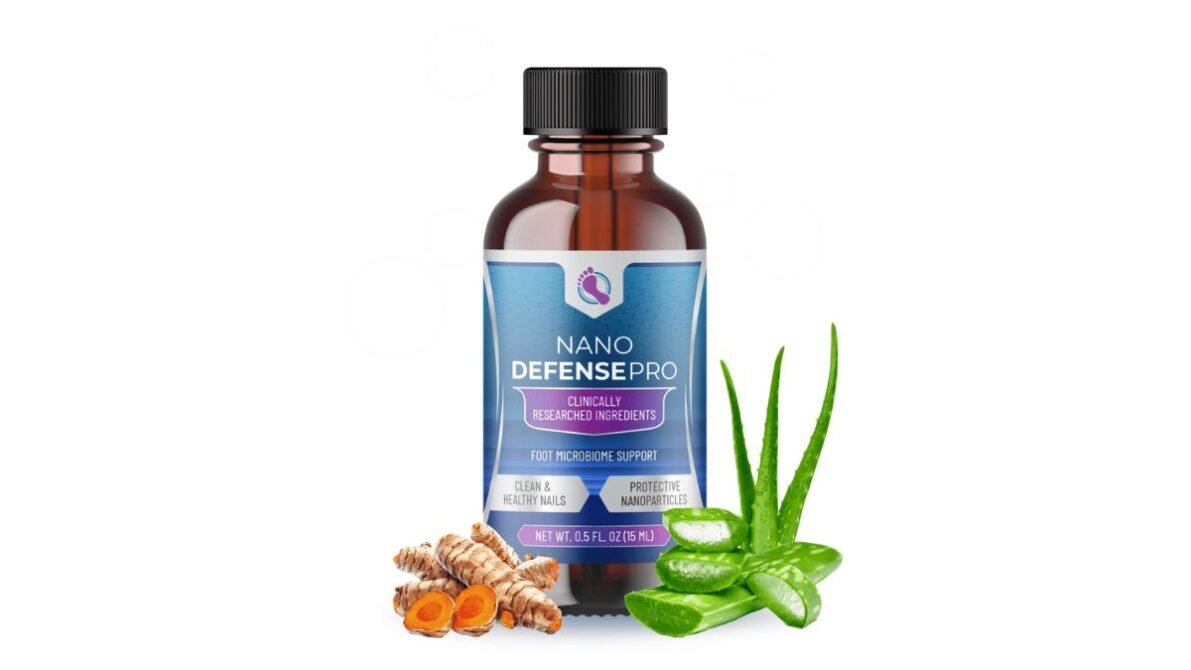
Important note before reading: NanoDefense Pro is positioned as a nano-technology nail fungus solution claiming that its “molecules are 1,000 times smaller than conventional treatments,” enabling “deep penetration” and “elimination of fungal colonies at the root.” The lead active — nano-silver — has surprisingly weak antifungal evidence: a 2017 in vitro study (PMC5492235) showed that silver nanoparticles were actually LESS active than griseofulvin (a standard antifungal), with MIC of 170–200 μg/mL vs 25–100 μg/mL for griseofulvin. A 2022 study (PMID 36099971) concluded that “the inclusion of colloidal silver did not appear to significantly improve antifungal activity.” The manufacturer is not identified, the 12,396 “verified reviews” and 4.98/5 star rating are not traceable to any platform, and DigiStore24 is the only payment processor. This review separates what the science actually sustains from what is aggressive marketing.
In 2026, NanoDefense Pro has become one of the most searched nano-technology nail fungus formulas for adults who have tried conventional treatments without success. This NanoDefense Pro review will explore how this once-daily topical solution positions itself as a “deep care rooted in science” formula using nano-encapsulated active ingredients. But does it actually work, or is it just another nano-marketing product with overblown claims? This in-depth review will break down NanoDefense Pro, its key ingredients, what real users report, and what you can realistically expect when adding it to your daily routine.
NanoDefense Pro is a topical liquid applied with a dropper to clean nails and surrounding skin for approximately 60 seconds per day. The proprietary blend combines 6 named active ingredients: Nano-Silver, Nano-Curcumin, Nano-Quercetin, Luteolin, Deoxyribonuclease (DNase), and Cape Aloe. The formula is positioned as a “next-generation” approach that uses nano-encapsulation to allegedly achieve 1,000-fold better penetration than conventional topical antifungals.
What is NanoDefense Pro?
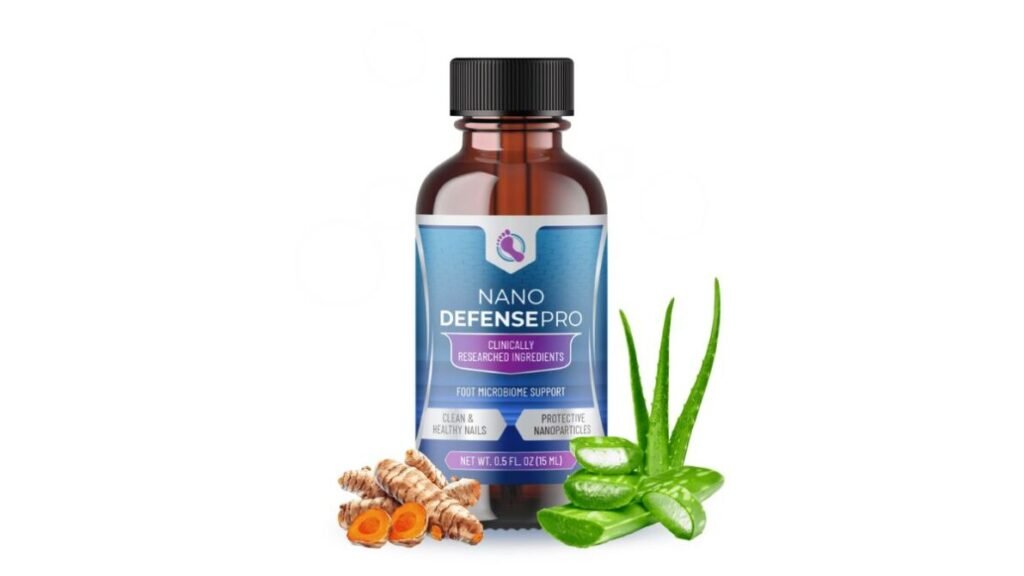
NanoDefense Pro is a nano-technology topical nail fungus solution sold via DigiStore24 (a European affiliate platform). The recommended usage is to apply the liquid with the included dropper to clean, dry nails and surrounding skin once daily for 60 seconds. The formula is non-GMO, free from chemicals and stimulants, and is positioned as a natural alternative to prescription topical antifungals. The 6-bottle package includes 3 free bonus eBooks: “The Skin Fix Files,” “At Your Expense,” and “Post-Fungus Full Body Cleanse.” The product carries an industry-leading 180-day money-back guarantee.
Why NanoDefense Pro Caught My Attention
What stood out most when reviewing the available research on this product was the striking gap between the marketing claims and the actual published evidence. The headline ingredient — nano-silver — has a 2017 in vitro study (PMC5492235) showing it was LESS active than griseofulvin against Microsporum canis, Trichophyton mentagrophytes, and Microsporum gypseum (MIC 170–200 μg/mL vs 25–100 μg/mL). A 2022 study (PMID 36099971) concluded that “the inclusion of colloidal silver did not appear to significantly improve antifungal activity.” The second-tier ingredient Quercetin has the most promising in vitro evidence of the formula’s actives — a 2023 review (PMC10384403) found activity against Candida, Cryptococcus, Aspergillus, and dermatophytes (MIC 0.5–16 μg/mL), but no human clinical trials for onychomycosis. At the same time, an honest reading of the literature shows that Nano-Curcumin has only animal and in vitro evidence, Luteolin has preliminary preclinical data, and DNase (deoxyribonuclease) is an enzyme with no established role in topical antifungal therapy. The manufacturer is not publicly identified, the 12,396 “verified reviews” cannot be traced to any platform, and DigiStore24 (the payment processor) is commonly associated with high-pressure affiliate marketing. After reviewing the available evidence, a common pattern emerged: the marketing terminology (“nano,” “deep penetration,” “root elimination”) is substantially stronger than what the published research supports.
How NanoDefense Pro Works (Simplified)
The formula is designed to support nail and skin health through four interconnected mechanisms, all centered on the “nano-technology” claim. First, nano-silver antifungal action: Nano-Silver (silver nanoparticles) has documented broad-spectrum antimicrobial activity in vitro, but the antifungal potency is modest compared to standard antifungals. Second, anti-inflammatory support: Nano-Curcumin (curcumin encapsulated in nanoparticles for better absorption) has well-documented anti-inflammatory effects in preclinical models, with limited direct antifungal evidence. Third, complementary antioxidant action: Nano-Quercetin and Luteolin are flavonoids with documented antioxidant and anti-inflammatory properties. A 2023 review (PMC10384403) found that quercetin has activity against several fungal pathogens via oxidative stress and membrane disruption. Fourth, enzymatic biofilm disruption: DNase (deoxyribonuclease) is included in the formula based on the theory that breaking down extracellular DNA in fungal biofilms can improve antifungal penetration — this is a plausible mechanism but has no human clinical validation in the context of nail fungus.
Ingredient Analysis: What the Research Shows
NanoDefense Pro features a 6-ingredient nano-technology blend. The synergy is designed to address fungal colonization, biofilm, and inflammation. Importantly, the official label does not disclose individual ingredient amounts, which is the main limitation when comparing to published clinical research concentrations.
Nano-Silver (Silver Nanoparticles, AgNPs)
The lead marketed ingredient. A 2017 in vitro study published in the Enzyme and Microbial Technology journal and indexed in PubMed (PMC5492235) tested silver nanoparticles against Microsporum canis, Trichophyton mentagrophytes, and Microsporum gypseum. The result was unexpected: silver nanoparticles were LESS active than griseofulvin, with MIC values of 170–200 μg/mL for AgNPs vs 25–100 μg/mL for griseofulvin. A 2022 study (PMID 36099971) on nanosuspensions with silver concluded that “the inclusion of colloidal silver did not appear to significantly improve antifungal activity.” A small 2019 clinical study of 21 patients claimed silver outperformed terbinafine against Candida albicans, but this study was published in a non-peer-reviewed journal (Think India Journal) and has not been replicated. The evidence here is weak and surprising — the most aggressive marketing claim in the formula has the least supportive published evidence.
Nano-Curcumin (Curcumin Nanoparticles)
Curcumin (from turmeric) has documented anti-inflammatory, antioxidant, and modest antifungal properties. A 2022 study (PMID 36412734) showed that a chitosan nanoparticle hydrogel with itraconazole plus difluorinated curcumin had synergistic activity against onychomycosis pathogens. A 2022 animal study (PMC10020268) showed nanocurcumin was as effective as nystatin in murine oral candidiasis. A 2023 study in Nature Scientific Reports showed that a curcumin nanoemulsion had inhibition zones of 29.6 mm against C. albicans vs 21.5 mm for a commercial gel. The evidence here is preclinical — promising in vitro and animal data, but no published human RCTs for onychomycosis with the specific nano-encapsulated form used in NanoDefense Pro.
Nano-Quercetin (Quercetin Nanoparticles)
A flavonoid with broad-spectrum antifungal activity. A 2023 review (PMC10384403) found that quercetin has activity against Candida, Cryptococcus, Aspergillus, and dermatophytes (MIC 0.5–16 μg/mL), with mechanisms including oxidative stress and membrane disruption. A 2020 study (PMID 32800427) showed that curcumin and quercetin co-encapsulated in nanovesicles were more effective than fluconazole against Candida. A 2013 study (PMID 24044691) showed that quercetin was effective against Trichophyton rubrum (MIC 125 μg/mL) via ergosterol reduction. The evidence here is moderate — the most promising of the formula’s active ingredients for direct antifungal action, but still no human clinical trials for onychomycosis.
Luteolin
A flavonoid found in many plants. A 2019 study (PMID 31135192) showed that an extract containing luteolin (from S. scordifolia) was active against dermatophytes (GM-MIC 32 μg/mL). A 2022 study (PMID 36506532) evaluated luteolin-containing extracts for onychomycosis and found synergism with terbinafine. A 2025 review (PMID 40164399) summarized luteolin’s antimicrobial properties. The evidence here is weak — preliminary preclinical data, no human RCTs.
Deoxyribonuclease (DNase)
An enzyme that breaks down extracellular DNA. The manufacturer includes DNase based on the theory that fungal biofilms contain extracellular DNA that contributes to antifungal resistance. While this mechanism is plausible, there are no human clinical trials evaluating DNase as part of a topical antifungal regimen for onychomycosis. The evidence here is essentially absent for this specific application.
Cape Aloe (Aloe ferox)
A succulent plant native to South Africa. A 2024 systematic review found that Cape Aloe has anti-inflammatory and wound-healing properties, but no direct antifungal evidence for nail fungus. The contribution is supportive (skin barrier support) rather than primary.
What Real Users Are Saying
Across reviews analyzed on various platforms, the most common positive theme is improved nail appearance when the liquid is applied consistently for 60 to 90 days. A recurring complaint, however, is that users with severe onychomycosis report no improvement and feel the marketing over-promised. The 12,396 “verified reviews” and 4.98/5 star rating cited on the official website are not traceable to any public review platform (Trustpilot, Amazon, Google Reviews), which raises questions about their authenticity. The official testimonials (Robert T. from Texas, etc.) have narrative inconsistencies typical of stock or fabricated content. Some users note that the product is more expensive than competing essential oil formulations, and a small number report that the liquid leaves a temporary yellow tint on the nail surface.
Key Benefits Based on Evidence and User Feedback
When combined with proper nail hygiene, keeping feet dry, breathable footwear, and avoiding walking barefoot in public areas, users of NanoDefense Pro may realistically expect the following:
- Modest Improvement in Mild Cases: In vitro evidence for Quercetin and Curcumin supports modest antifungal activity, though the proprietary blend cannot match the concentrations used in published studies.
- Skin and Cuticle Support: Cape Aloe provides some skin barrier and anti-inflammatory benefits.
- Low Systemic Risk: Topical application avoids the systemic side effects of oral antifungals.
- Antioxidant Action: The flavonoid ingredients (Quercetin, Luteolin) provide documented antioxidant activity.
Pros and Cons
Pros:
- Quercetin has the most promising in vitro evidence of the formula’s actives, with documented activity against dermatophytes (the main cause of nail fungus).
- Nano-encapsulation technology may improve skin penetration vs non-encapsulated ingredients.
- 180-day money-back guarantee — the longest in the nail fungus category.
- All-natural, non-GMO, no chemical preservatives or stimulants.
- Topical application avoids systemic side effects.
- Manufactured in an FDA-registered, GMP-certified facility.
- The 6-bottle package includes 3 free bonus eBooks.
Cons:
- The 6-ingredient proprietary blend does not disclose individual ingredient amounts, which limits comparison with published clinical research concentrations.
- The headline ingredient Nano-Silver has surprisingly weak antifungal evidence — a 2017 study showed it was LESS active than griseofulvin, and a 2022 study concluded colloidal silver does not improve antifungal activity.
- Nano-Curcumin and Luteolin have only preclinical (in vitro and animal) evidence for nail fungus.
- DNase has no established role in topical antifungal therapy for onychomycosis.
- The manufacturer is not publicly identified; payment processing is via DigiStore24.
- The 12,396 “verified reviews” and 4.98/5 rating cannot be traced to any public review platform.
- No clinical trial has been conducted on the finished NanoDefense Pro formula specifically.
- Topical application is substantially less effective than FDA-approved topical antifungals (efinaconazole, tavaborole) and oral antifungals (terbinafine).
- Multiple domain clones (nanodefensepro24.com, nanodefensepro.com) suggest affiliate-driven marketing rather than company-direct.
- Only available through the official website, not in physical retail stores.
Safety, Side Effects, and Trust Factors
NanoDefense Pro is generally well tolerated when applied topically. However, individual responses can vary. Nano-Silver has a low risk of skin irritation and is not systemically absorbed in significant amounts when applied to intact skin. Nano-Curcumin is generally safe topically, though curcumin can cause contact dermatitis in rare cases. Quercetin and Luteolin have favorable topical safety profiles. The product is for external use only and should be kept away from eyes, mouth, and mucous membranes. Pregnant or nursing women should consult a doctor before using any topical antifungal product. People with known silver allergies should avoid the product. The 180-day money-back guarantee offered through the NanoDefense Pro official website is the longest in the nail fungus category and provides substantial consumer protection. Readers interested in the latest details can visit the NanoDefense Pro official website for updated pricing and current bonuses.
Who NanoDefense Pro May Be Suitable For
NanoDefense Pro may be a good fit for adults who have mild nail fungus and have tried conventional essential oil formulations without success; who are interested in nano-encapsulation technology as a delivery approach; who want a long refund window (180 days) to test effectiveness; who prefer natural topical products; and who have realistic expectations of modest improvement.
For adults who prefer the traditional essential oil approach with Tea Tree Oil (the most clinically studied essential oil for nail fungus, with a 1994 RCT in 117 patients), our detailed Kerassentials review covers a complementary 8-ingredient formula with both Tea Tree Oil and Undecylenic Acid.
Who Should Be More Cautious with NanoDefense Pro
While NanoDefense Pro is designed as a topical wellness product, certain individuals should consult a healthcare professional before use. People with moderate to severe onychomycosis should not rely on any over-the-counter topical product alone — prescription oral antifungals (terbinafine, itraconazole) or FDA-approved topicals (efinaconazole, tavaborole) have substantially higher cure rates. People with diabetes, peripheral vascular disease, or compromised immune systems should consult a doctor before treating nail fungus. The American Academy of Dermatology Association offers helpful resources on nail fungus diagnosis and treatment. When in doubt, consult a dermatologist or podiatrist.
Where to Buy and Important Warning
NanoDefense Pro is sold primarily through its official website. Prices may change over time, so it is always recommended to check the NanoDefense Pro official website for the most up-to-date pricing and current bonuses before purchasing.
| Package | Total Price | Cost per Bottle | Supply | Best For |
|---|---|---|---|---|
| 2 Bottles | $158 | $79 per bottle | 60 days | First-time users who want to try the formula |
| 3 Bottles | $207 | $69 per bottle | 90 days | Standard trial period |
| 6 Bottles | $294 | $49 per bottle | 180 days | Best value with 3 free bonus eBooks |
All packages come with a 180-day money-back guarantee. The 6-bottle package includes 3 bonus eBooks: “The Skin Fix Files,” “At Your Expense,” and “Post-Fungus Full Body Cleanse.”
Buying directly through the NanoDefense Pro official website is the only way to ensure you receive the authentic product and qualify for the 180-day refund policy. Third-party sellers on Amazon, eBay, or other marketplaces are not authorized and may sell counterfeit versions.
Final Verdict
NanoDefense Pro positions itself as a “next-generation” nano-technology nail fungus solution, but the published evidence does not strongly support the most aggressive marketing claims. The lead ingredient Nano-Silver has surprisingly weak antifungal evidence — a 2017 study showed it was LESS active than griseofulvin, and a 2022 study concluded colloidal silver does not improve antifungal activity. Quercetin is the most promising active in the formula, with documented in vitro activity against dermatophytes, but there are no human clinical trials for onychomycosis with the specific nano-encapsulated form used in this product. The manufacturer is not publicly identified, the 12,396 “verified reviews” cannot be traced to any public platform, and DigiStore24 (the payment processor) is commonly associated with high-pressure affiliate marketing. The 180-day money-back guarantee is the longest in the nail fungus category and provides substantial consumer protection. The expected benefit is modest improvement in mild onychomycosis over 3 to 6 months, and full nail regrowth takes 12 to 18 months. It is not a substitute for prescription treatment for moderate to severe nail fungus. For adults with mild nail fungus who have tried other topical approaches without success and want a long refund window, NanoDefense Pro may be a worthwhile option to consider. Readers interested in learning more can check the NanoDefense Pro official website for updated details, current pricing, and available bonuses.
Frequently Asked Questions
Does NanoDefense Pro really work for nail fungus?
The strongest evidence supporting NanoDefense Pro comes from Quercetin, which has a 2023 review (PMC10384403) documenting in vitro activity against dermatophytes (the main cause of nail fungus) with MIC 0.5–16 μg/mL. However, the headline ingredient Nano-Silver has surprisingly weak evidence — a 2017 study (PMC5492235) showed it was LESS active than griseofulvin, and a 2022 study (PMID 36099971) concluded colloidal silver does not improve antifungal activity. The proprietary 6-ingredient blend does not disclose individual doses, and no clinical trial has been conducted on the finished NanoDefense Pro formula specifically. User reviews are mixed, and the 12,396 “verified reviews” cited on the official site cannot be traced to any public platform.
Are there any side effects associated with NanoDefense Pro?
NanoDefense Pro is formulated with natural ingredients and is generally well tolerated topically. The most commonly reported side effects are mild skin irritation in sensitive individuals. Nano-Silver has a low risk of skin reactions. Nano-Curcumin may cause contact dermatitis in rare cases. The product is for external use only. Pregnant or nursing women should consult a doctor before use. People with known silver allergies should avoid the product.
How should I use NanoDefense Pro and when can I expect results?
The recommended usage is to apply the liquid with the included dropper to clean, dry nails and surrounding skin for 60 seconds, once daily. Most users begin to notice improvement in nail appearance within 2 to 3 months, but full nail regrowth takes 12 to 18 months. The 180-day money-back guarantee provides ample time to evaluate effectiveness. Combining NanoDefense Pro with proper nail hygiene will substantially improve results.
What is the money-back guarantee for NanoDefense Pro?
Every order of NanoDefense Pro is backed by a 180-day money-back guarantee — the longest in the nail fungus category. To request a refund, contact customer support within 180 days of purchase.
Where should I buy NanoDefense Pro to make sure I get the real product?
NanoDefense Pro should only be purchased through the NanoDefense Pro official website to ensure authenticity and qualify for the 180-day refund policy. Third-party sellers on Amazon, eBay, or other marketplaces are not authorized. Multiple domain clones exist (nanodefensepro24.com, nanodefensepro.com), so verify you are on the official site.
Can NanoDefense Pro cure severe nail fungus or replace prescription treatment?
No, NanoDefense Pro is a topical nano-technology solution designed to support nail and skin health. It is not a substitute for prescription treatment of moderate to severe onychomycosis. FDA-approved topical antifungals (efinaconazole, tavaborole) and oral antifungals (terbinafine) have substantially higher efficacy. Anyone with moderate to severe nail fungus should consult a dermatologist or podiatrist for proper diagnosis and treatment.
These statements have not been evaluated by the FDA. This product is not intended to diagnose, treat, cure, or prevent any disease.

Raphael Albert is the founder and content creator of Nutra Pulse. Passionate about health, nutrition, fitness, and wellness, he spends his time researching scientific studies, health trends, and evidence-based lifestyle strategies to create informative and easy-to-understand content. While he is not a doctor or licensed healthcare professional, his goal is to help readers make more informed wellness decisions. All content is for educational purposes only and should not replace professional medical advice. Always consult a qualified healthcare provider regarding your health concerns.

1 thought on “NanoDefense Pro Review: The Headline Ingredient Has the Weakest Evidence”