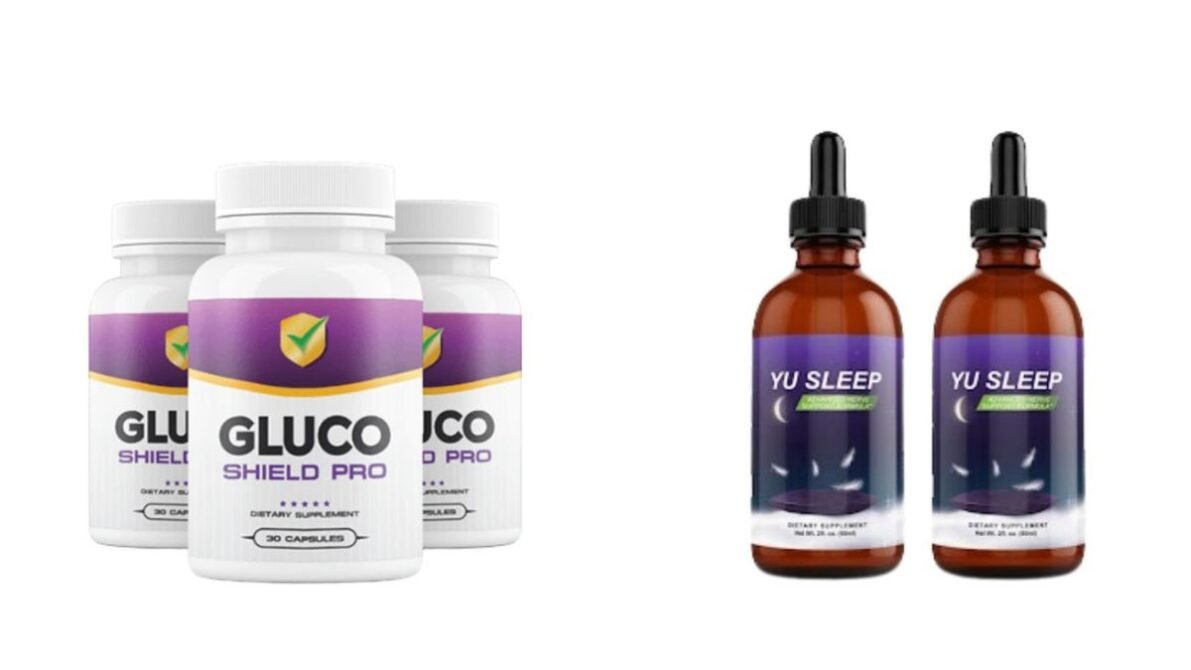
This article is educational and contains no purchase links. It is not medical advice, and it isn’t a reason to change anything you’re currently taking on your own. If you already take a St. John’s wort product alongside prescription medication, speak to a pharmacist before starting or stopping it — as the article explains, stopping abruptly carries its own risk with certain drugs.
Most people who take St. John’s wort know it as a gentle herbal mood supplement. Something you’d buy without much thought, sold beside the chamomile.
Its most significant property has nothing to do with mood. St. John’s wort makes other medications stop working.
Not by interfering with them directly, but by speeding up the machinery your body uses to clear drugs from your bloodstream. The result is that a medication you’re taking correctly, at the right dose, at the right time, arrives at a lower concentration than it should — sometimes low enough to stop protecting you.
The documented consequences include organ rejection in transplant patients and unplanned pregnancies in women using oral contraceptives.
And here’s why this article exists rather than another list of interactions: you may be taking it without knowing. St. John’s wort appears inside multi-ingredient formulas sold for sleep, for stress, for mood, and — in the most striking case we’ve documented — inside a formula sold for blood sugar control. The buyer chose the product for something else entirely, and the herb was one line on a long ingredient list.
What St. John’s Wort Actually Does
The mechanism is worth understanding, because it explains everything that follows.
Your liver and intestine contain enzymes that break down drugs so your body can clear them. The most important is CYP3A4, which metabolises roughly half of all prescription medications. Alongside it, a transporter called P-glycoprotein pumps drugs back out of your intestinal cells before they’re absorbed.
St. John’s wort switches both of them up. It is a potent inducer of cytochrome P-450 enzymes and intestinal P-glycoprotein, which is why it carries an overall high risk of drug interaction — that’s the National Center for Complementary and Integrative Health’s own summary.
More enzyme means faster clearance. Faster clearance means lower blood levels. Lower blood levels mean less effect.
Your medication isn’t blocked or neutralised. It’s simply removed from your system faster than the prescriber calculated for.
Three practical consequences follow, and they’re not obvious.
It takes one to two weeks to develop. Enzyme induction isn’t immediate — your body has to actually produce more enzyme. So nothing seems wrong at first, and someone who feels fine after three days may still be heading toward a problem.
It persists one to two weeks after you stop. The extra enzyme doesn’t disappear the moment you stop taking the herb. The interaction outlasts the supplement.
And stopping can be as risky as starting. This is the part almost nobody explains. Because the interaction is caused by enzyme induction, stopping a St. John’s wort product may lead to increased blood levels of some medicines, resulting in toxicity — particularly with cyclosporine, digoxin, theophylline and warfarin, according to the European Medicines Agency.
If you’re on one of those and you’ve been taking St. John’s wort, the answer isn’t to stop today. It’s to tell your pharmacist, so the change can be managed.
The Medications This Affects, and How
The interaction list is one of the best documented in all of herbal pharmacology. Human studies and case reports show St. John’s wort decreased blood concentrations of amitriptyline, cyclosporine, digoxin, fexofenadine, indinavir, methadone, midazolam, nevirapine, phenprocoumon, simvastatin, tacrolimus, theophylline and warfarin.
Some of those matter more than others. Here’s what the consequences actually look like.
Immunosuppressants — cyclosporine and tacrolimus. This is the most serious. Transplant patients take these to stop their body rejecting a donated organ, and the therapeutic window is narrow. In 2000, a pharmacokinetic interaction between St. John’s wort and cyclosporine caused acute rejection in two heart transplant patients — the case that first put this interaction on the map. Further reports followed.
Oral contraceptives. St. John’s wort caused breakthrough bleeding and unplanned pregnancies when used alongside them. If you rely on hormonal contraception, this is not a theoretical risk — it’s a documented failure mode, and it’s one of the most searched aspects of this interaction for good reason.
Warfarin and other anticoagulants. Reduced anticoagulation means unstable or falling INR values, which means less protection against clots. German adverse event data recorded sixteen reports of altered bleeding time with coumarin-type anticoagulants.
Digoxin. Used for heart rhythm and heart failure, with a famously narrow therapeutic window — small changes in blood level matter.
HIV antiretrovirals. A study by the US National Institutes of Health found that co-administration significantly reduced indinavir plasma concentrations. For antiretroviral therapy, reduced drug levels risk viral resistance.
Statins. Simvastatin concentrations fall, meaning less cholesterol control than you and your doctor think you’re getting.
Cancer treatment. St. John’s wort decreased the plasma concentration of SN-38, the active metabolite of irinotecan, in patients receiving chemotherapy.
Diabetes medication — and this one matters for a specific audience. St. John’s wort didn’t change the pharmacokinetics of tolbutamide, a sulfonylurea, but it increased the incidence of hypoglycaemia with it. So the interaction here isn’t reduced effect; it’s an increased chance of blood sugar dropping too low.
Antidepressants. A separate mechanism: St. John’s wort itself raises serotonin, so combining it with SSRIs or MAOIs is contraindicated because of serotonin syndrome risk.
Where This Hides in Supplements
Here’s the part that mainstream medical pages don’t cover, and it’s why we wrote this.
Nobody sets out to take St. John’s wort by accident. But it appears as one ingredient among many in formulas sold for something else entirely — and buyers read the product name, not the fifteenth line of an ingredient list.
The categories where it turns up: sleep formulas, stress and anxiety blends, “adaptogen” complexes, mood support products, and anything marketed on calm or relaxation.
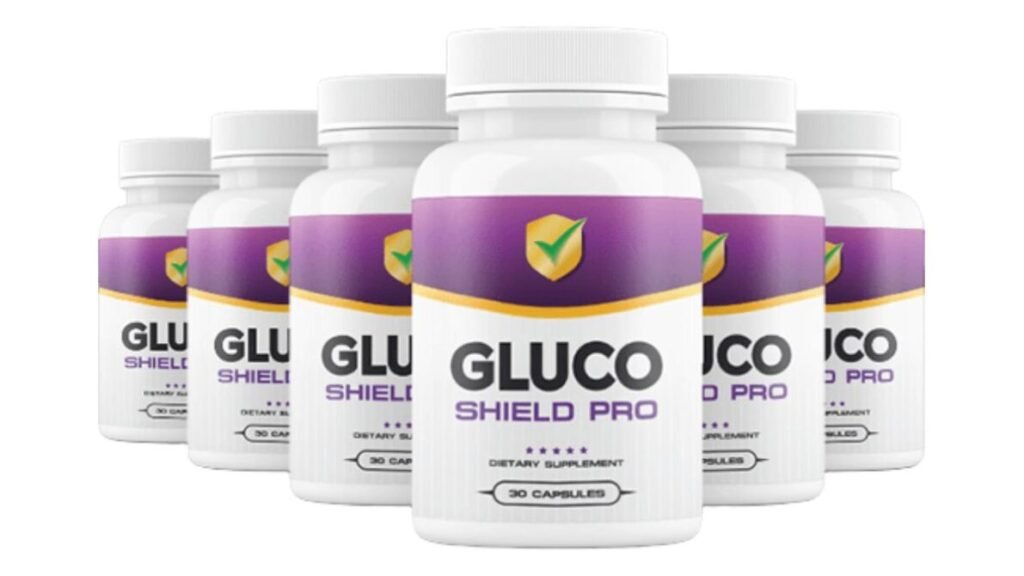
And sometimes further afield. The clearest example we’ve documented is a supplement sold for blood sugar control whose thirteen botanicals were almost entirely sleep and calming herbs — valerian, hops, passionflower, chamomile, lemon balm, skullcap, magnolia, L-theanine — with St. John’s wort among them. None of the standard glycaemic ingredients were present. The page promised blood sugar management “with no insulin shots or medication,” which is a particularly uncomfortable pairing given the herb’s defining property. Our Gluco Shield Pro review covers it in full.
The pattern is broader than this one herb, though not every hidden interaction works the same way — a distinction worth its own section further down.
How to spot it on a label:
Look for “Hypericum perforatum”, the botanical name. Many labels list ingredients by scientific name, and a buyer scanning for “St. John’s wort” in plain English will miss it entirely.
Also check for it inside a proprietary blend, where it may be named without any amount attached — which matters, because the strength of the interaction correlates with hyperforin content, and that isn’t standardised across products.
And here’s the finding that gives this article its title. A study evaluated seventy-four St. John’s wort products sold in the US against eight clinically relevant safety criteria — including the interactions with HIV medications, immunosuppressants, oral contraceptives and warfarin. No product label provided information on all eight. Four products provided no safety information whatsoever.
The same paper cites survey data worth knowing: 56% of physicians surveyed were unaware of the warfarin interaction, 68% were unaware of the digoxin interaction, and 68% were unaware of the oral contraceptive interaction. Among community pharmacists, 48% were unaware.
That’s not a reason to distrust your clinician. It’s a reason to tell them what you’re taking, because they can’t check what they don’t know about.
A Related Pattern, a Different Mechanism
Before moving on, one distinction worth making explicitly — because conflating these two is easy, and it would lead you to ask a pharmacist the wrong question.
Not every hidden interaction in a sleep or calm formula is St. John’s wort.
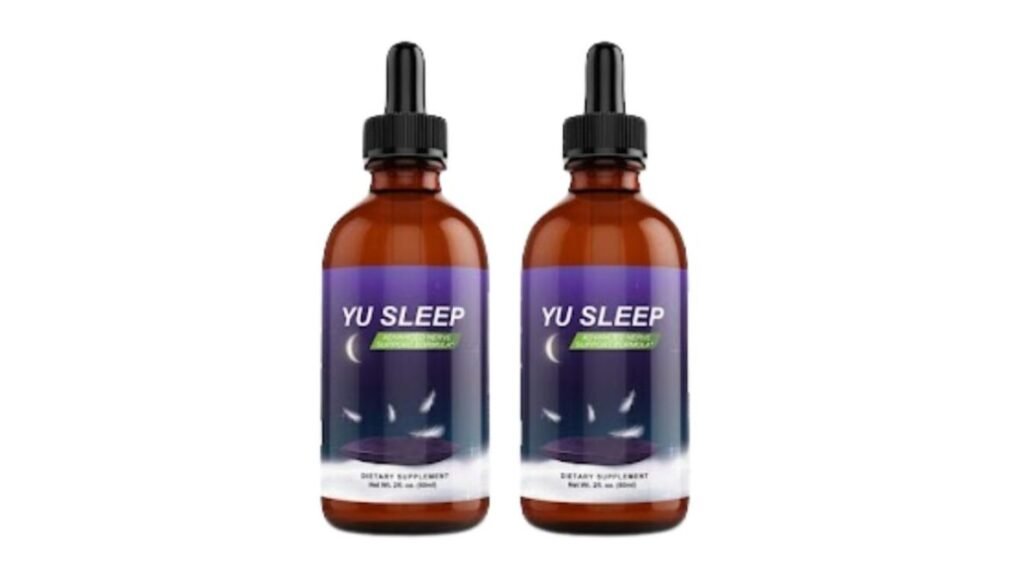
A common one is 5-HTP, which appears in sleep, mood and appetite products. Our Yu Sleep review covers a sleep supplement containing it, where the sales page never raised the interaction at all. That product contains no St. John’s wort — the risk comes from somewhere else entirely.
Here’s how the two differ, and why it matters:
5-HTP is a direct precursor to serotonin. Your body converts it, and serotonin levels rise. Stacked on an SSRI, SNRI, MAOI, tricyclic, a triptan for migraine, or tramadol, that risks pushing the system toward serotonin syndrome — too much serotonergic activity at once. Symptoms can include agitation, tremor, sweating, a racing heart and confusion, and can develop within hours.
St. John’s wort induces liver enzymes. That’s the opposite kind of problem: rather than adding too much of something, it clears your medication out too fast, so the drug you’re taking correctly stops protecting you.
One is an excess. The other is a deficit. They are not the same interaction under different names.
To complicate it honestly: St. John’s wort also has serotonergic activity of its own, which is why combining it with SSRIs or MAOIs is contraindicated. But enzyme induction is the property that affects the longest list of drugs, and it’s what makes it uniquely far-reaching.
What they share is the pattern rather than the pharmacology: a compound with real pharmacological activity, sitting inside a product marketed as gentle and natural, with no interaction warning anywhere on the page — and a buyer who chose the product for something else entirely.
That’s the thing to watch for. The specific mechanism determines what you ask about; the pattern determines whether you should ask.
Who Needs to Be Especially Careful
Anyone taking any prescription medication continuously. The list above is the documented set, not the complete set — CYP3A4 handles roughly half of all prescription drugs.
Transplant recipients. The consequence here is organ rejection. This is the highest-stakes group.
Anyone using hormonal contraception. Breakthrough bleeding is the warning sign; unplanned pregnancy is the outcome.
People undergoing cancer treatment. Reduced active drug concentration during chemotherapy is not a small matter.
Anyone on warfarin, digoxin, theophylline or immunosuppressants — the narrow-window drugs, where both starting and stopping matter.
Anyone taking an antidepressant. Both for serotonin syndrome risk and because St. John’s wort can reduce levels of some antidepressants.
And a group worth naming specifically: people who gained weight as a side effect of an antidepressant and are looking for a supplement to help. That’s a large, motivated group — and they’re at risk of picking up a calming or mood-adjacent formula that interacts with the very medication they’re taking. The overlap is exactly wrong.
People with bipolar disorder, where St. John’s wort has been associated with inducing mania or hypomania.
Anyone scheduled for surgery. Guidance is to discontinue at least two weeks beforehand — which, given the persistence of enzyme induction, is the reason the window is that long.
And one non-interaction caution: at higher doses, St. John’s wort causes photosensitivity — increased skin reaction to sunlight. In German adverse event data this was the single most commonly reported effect.
What to Do
Five practical steps, none of which require you to give anything up unnecessarily.
1. Read the label before you buy, and look for the botanical name. “Hypericum perforatum” and “St. John’s wort” are the same plant. If a product lists ingredients in Latin, scan for the first.
2. Tell your doctor and pharmacist about every supplement you take — including the ones sold as gentle, natural or herbal. Pharmacists can run interaction checks in seconds, and this is exactly what that tool is for. The survey data above shows why volunteering the information matters: they can’t check what they don’t know about.
3. If you already take both, don’t stop on your own. With cyclosporine, digoxin, theophylline or warfarin, stopping abruptly can push drug levels up into toxicity. That’s a conversation, not a decision to make alone.
4. Watch for the signs that something has shifted. Breakthrough bleeding on hormonal contraception. A change in INR if you monitor it. Symptoms returning that your medication had been controlling. Any of those alongside a new supplement is worth a call.
5. And retire the assumption that “natural” means “no pharmacological interaction.” St. John’s wort is the clearest counterexample in the entire supplement aisle. It interacts precisely because it’s pharmacologically active — the same property that makes it work for mood is the one that makes it a problem alongside medication.
That last point is worth sitting with. An ingredient having real effects and an ingredient being risky alongside medication aren’t opposites. They’re usually the same thing.
The One-Minute Check
Before buying any supplement marketed for sleep, stress, mood or calm:
- Read the full ingredient list, including the small print inside any proprietary blend
- Look for “Hypericum perforatum” as well as “St. John’s wort”
- If you take any prescription medication, photograph the label and show it to a pharmacist before your first dose
- If it’s already in your cabinet and you take medication, ask before stopping, not just before starting

Raphael Albert is the founder and content creator of Nutra Pulse. Passionate about health, nutrition, fitness, and wellness, he spends his time researching scientific studies, health trends, and evidence-based lifestyle strategies to create informative and easy-to-understand content. While he is not a doctor or licensed healthcare professional, his goal is to help readers make more informed wellness decisions. All content is for educational purposes only and should not replace professional medical advice. Always consult a qualified healthcare provider regarding your health concerns.