
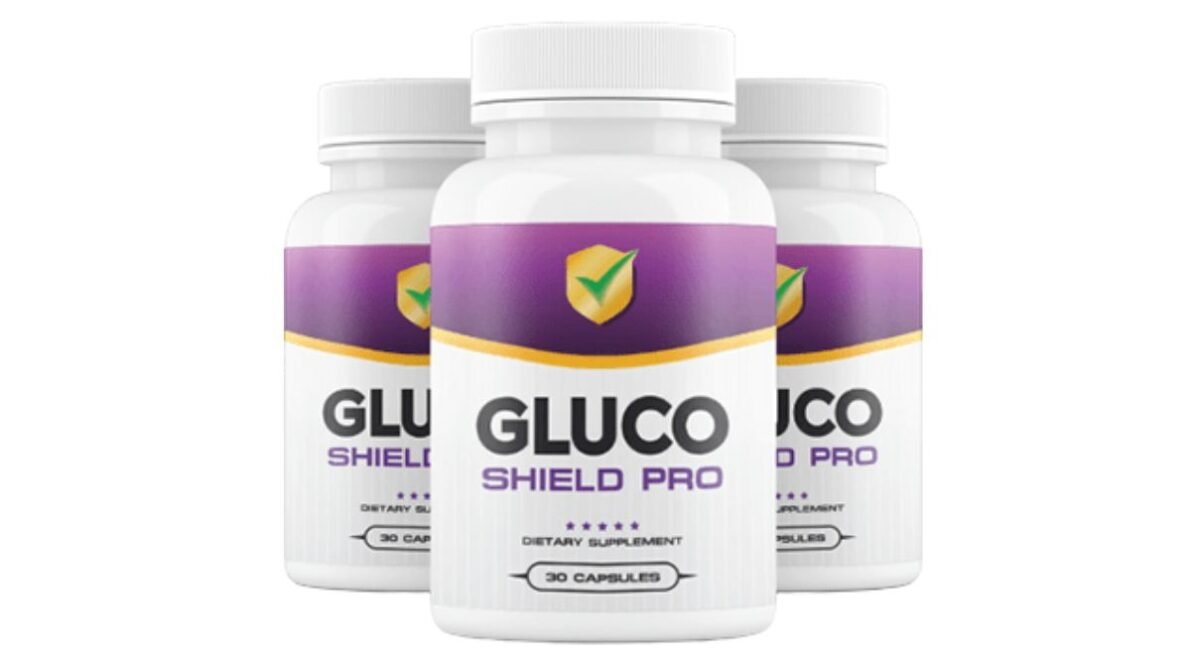
Transparency note: this site normally earns a commission when readers buy through our links. There are no purchase links in this article, and we earn nothing whatever you decide. The section on St John’s wort explains why.
These statements have not been evaluated by the Food and Drug Administration. This product is not intended to diagnose, treat, cure, or prevent any disease. Never stop, reduce, or skip diabetes medication because of a supplement. And if you take an oral contraceptive, an immunosuppressant, an anticoagulant, an HIV medication, or a cancer treatment, read the sixth section of this article before you consider anything containing St John’s wort.
Here’s the ingredient list. Read it and see what you’d guess it was for:
Rhodiola, chamomile, lemon balm, skullcap, hawthorn, bacopa, magnolia, passionflower, valerian, L-theanine, oat straw, St John’s wort, hops, plus vitamins B1, B2 and B6, zinc, magnesium and calcium.
Valerian and hops. Passionflower and chamomile. Lemon balm, skullcap, magnolia, L-theanine.
If you handed that list to a pharmacist without the label, they’d tell you it was a sleep and anxiety formula. Valerian with hops is one of the oldest combinations in herbal sleep products. Passionflower, chamomile, lemon balm and skullcap are the standard calming botanicals. Magnolia bark and L-theanine are the modern additions to the same category.
Gluco Shield Pro is sold as a blood sugar supplement.
Not one ingredient on that list has primary evidence for glycaemic control. There’s no berberine, no chromium, no gymnema, no cinnamon, no bitter melon, no alpha-lipoic acid, no banaba — none of the compounds that appear in every other product in this category.
That’s the finding this Gluco Shield Pro review is built on. There’s a fair version of the argument behind it, which I’ll give properly. And there’s one ingredient on that list that turns a mismatched formula into a genuine safety problem.
What Gluco Shield Pro Is
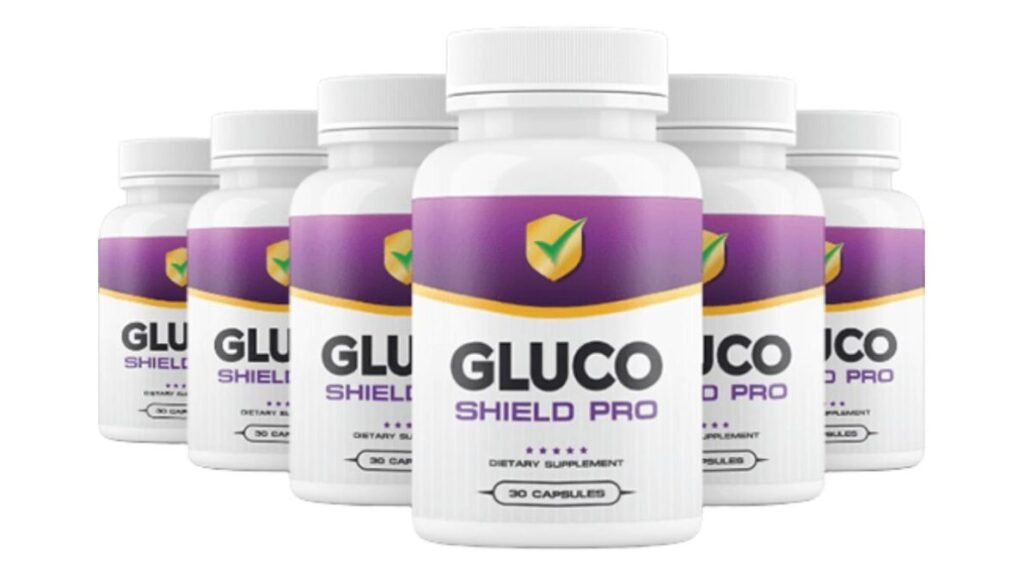
A capsule supplement sold direct to consumers, with a 60-day money-back guarantee and Digistore24 handling the transaction.
The sales page is worth describing, because its structure tells you something. It’s presented as an article titled “5 Simple Tips To Keep Your Blood Sugar Levels Stable,” narrated by Gregory Johnson, introduced as an independent scientific researcher and paid consultant to prestigious academic institutions who has spent his entire career researching type 2 diabetes.
The five tips are reasonable: a high-energy breakfast and modest dinner, thirty minutes of daily activity, probiotic foods, balanced meals with fat, fibre and protein, and apple cider vinegar. Nothing objectionable — most of it is standard advice.
Then the article turns into a product pitch. The tips are the delivery mechanism.
I could not verify Gregory Johnson as a researcher — no publication record, no institutional affiliation, no credentials beyond the description on the page. That doesn’t mean he doesn’t exist, but “independent scientific researcher and frequently paid consultant” is a claim of expertise that comes with nothing checkable attached.
No doses are published for any ingredient.
This Is a Sleep and Anxiety Formula
Let’s be specific about what each ingredient is actually known for, because the pattern is unmistakable once you lay it out.
Valerian — sleep. One of the most widely used herbal sedatives in the world. Hops — sleep, almost always paired with valerian. Passionflower — anxiety and sleep. Chamomile — mild anxiolytic and sleep aid. Lemon balm — calming, often combined with valerian. Skullcap — traditional nervine, used for anxiety. Magnolia bark — calming, via honokiol. L-theanine — calm focus without sedation. Oat straw — traditional nervine tonic. Rhodiola — adaptogen for fatigue and stress. Bacopa — cognition and anxiety. Hawthorn — cardiovascular tonic. St John’s wort — depression.
Thirteen botanicals, and twelve of them belong to the calming, sleep and mood category. The thirteenth is cardiovascular.
The vitamins and minerals are more defensible in a metabolic context — B1, B2 and B6 participate in energy metabolism, magnesium has a genuine association with insulin sensitivity, and zinc plays roles in insulin storage and secretion. Those aren’t glycaemic drugs, and correcting a deficiency helps mainly if you have one, but they aren’t out of place.
The botanical core, however, is a nervine blend. And nobody would assemble that list starting from the question “how do I lower blood glucose?”
The Fair Case: Stress and Sleep Genuinely Affect Glucose
Now the part that isn’t nonsense, because dismissing it entirely would be its own distortion.
Chronic stress raises blood glucose. Cortisol is a counter-regulatory hormone — it deliberately raises blood sugar to make fuel available during a perceived threat. Sustained elevation contributes to insulin resistance. That’s established endocrinology, not wellness marketing.
Poor sleep does the same. Short and disrupted sleep impairs glucose tolerance and insulin sensitivity measurably, in controlled studies, in healthy people. Sleep restriction reliably worsens metabolic markers, and it also increases appetite and cravings for high-carbohydrate food.
So if a product genuinely improved your sleep and reduced your stress, it could plausibly produce a modest, indirect improvement in glucose control over time.
That’s a real mechanism. It’s second-order — the product would be treating something that influences the thing you care about, rather than the thing itself — but it isn’t invented, and it’s more than several products in this category can claim.
Why That Doesn’t Justify the Framing
Here’s where the fair case stops.
The page doesn’t make that argument. It doesn’t say “poor sleep and chronic stress worsen glucose control, and this formula targets those.” It positions itself as a direct blood sugar solution, delivered by a researcher who spent his career on type 2 diabetes, capable of replacing insulin and medication.
If the mechanism is “sleep better and stress less, and your glucose may improve modestly,” that is what should be on the label — and a buyer could then judge it accurately.
Second, the effect size doesn’t match the claim. Improving sleep helps glucose control. It does not substitute for medication in someone with type 2 diabetes, and nobody researching this field would suggest it does.
Third, and most importantly, sleep-formula ingredients have their own consequences — including one that is genuinely dangerous for exactly the people this product targets.
St John’s Wort Is the Problem
This is the section that determines everything about this review, and I’d ask you to read it even if you skip the rest.
St John’s wort is best known as an herbal antidepressant. Its more significant property, pharmacologically, is that it makes other drugs stop working.
It is a potent activator of the pregnane-X-receptor, and therefore an inducer of cytochrome P450 enzymes — most importantly CYP3A4 — and of P-glycoprotein. CYP3A4 metabolises roughly half of all prescription medications. Inducing it means those drugs are cleared from your body faster, at lower concentrations, with less effect.
The documented consequences are not theoretical. Human studies and case reports show St John’s wort decreased blood concentrations of amitriptyline, cyclosporine, digoxin, fexofenadine, indinavir, methadone, midazolam, nevirapine, phenprocoumon, simvastatin, tacrolimus, theophylline and warfarin. It reduced the active metabolite of irinotecan in cancer patients. Several published cases describe it lowering cyclosporine levels enough to cause organ rejection in transplant patients. It caused breakthrough bleeding and unplanned pregnancies in women using oral contraceptives.
Combining it with SSRIs or MAOIs is contraindicated because of serotonin syndrome risk, since St John’s wort itself raises serotonin through reuptake inhibition.
And one finding lands squarely on this product’s audience: the same pharmacokinetic review notes that while St John’s wort didn’t alter the pharmacokinetics of tolbutamide — a sulfonylurea diabetes drug — it increased the incidence of hypoglycaemia with it.
Two further practical details. The enzyme induction takes one to two weeks to develop fully and persists one to two weeks after stopping, so the interaction outlasts the supplement. And potency varies by preparation, because CYP3A4 induction correlates with hyperforin content — which is unstandardised across products and undisclosed here.
Gluco Shield Pro publishes no dose for it.
“With No Insulin Shots or Medication”
Put the last two sections together and you get the sentence that concerns me most.
The page’s stated goal is helping people “better manage their blood sugar levels with no insulin shots or medication.”
That framing is aimed at people who are on medication and would rather not be. It’s a real feeling — medication is expensive, inconvenient, and nobody enjoys injections. Wanting an alternative is entirely human and not foolish.
But consider what’s being offered to that specific person: a formula containing an herb whose defining pharmacological property is reducing the effectiveness of medications.
A reader who takes this seriously has two paths, and both are bad. They reduce their medication because the page suggested they could — which for type 2 diabetes means losing glycaemic control, and for type 1 would be immediately dangerous. Or they keep taking their medication alongside a St John’s wort product, and the medication quietly works less well without them knowing why.
To be direct: never stop, reduce or skip prescribed diabetes medication because of a supplement. If cost or side effects are your reason for wanting off, that’s a real problem with real solutions — dose adjustment, alternative agents, patient assistance programmes — and it’s a conversation with your prescriber.
The Apple Cider Vinegar Claim
Smaller, but worth correcting because it appears twice on the page.
The claim is that apple cider vinegar “can cut post-meal blood sugar levels by half,” and that research found it reduced post-meal glucose “by about half” in healthy patients.
There is genuine research on vinegar and post-meal glucose. Acetic acid does appear to slow gastric emptying and blunt the glycaemic response to a carbohydrate meal, and small studies have found measurable reductions. It’s one of the better-supported kitchen interventions in this space.
“By about half” overstates it substantially. The reductions reported in this literature are modest — meaningful in a research sense, not a halving of your post-meal glucose. And the studies are small, short, and use varied protocols.
A tablespoon of vinegar in water before a carbohydrate-heavy meal is a harmless thing to try, and it may help a little. It doesn’t do what the page says, and it isn’t in the product anyway.
What I Liked
The five tips are genuinely sound. A larger breakfast and lighter dinner, thirty minutes of daily movement, fermented foods, balanced meals with fat, fibre and protein — that’s reasonable advice, and a reader who took only that from the page would benefit.
The ingredients are individually well-known and mostly well-tolerated. Valerian, chamomile, passionflower and lemon balm have long safety records at typical doses.
Magnesium and zinc have real metabolic roles. Magnesium in particular has a documented association with insulin sensitivity, and deficiency is common.
The stress-and-sleep-affect-glucose premise is legitimate, even though the page doesn’t make that argument explicitly.
Digistore24 is the retailer of record, giving refunds an independent route rather than depending on the seller’s own desk.
The FDA disclaimer is present and correctly worded, and it explicitly advises consulting a physician if pregnant, nursing, taking medication, or managing a condition — which is the right advice, even if the body copy above it points the other way.
Things to Consider
Twelve of thirteen botanicals belong to the sleep and calming category.
No ingredient has primary glycaemic evidence.
St John’s wort induces CYP3A4 and P-glycoprotein, reducing the effectiveness of a long list of prescription drugs.
No dose is published for anything, including the St John’s wort — and its potency varies with hyperforin content.
The page positions itself against insulin and medication.
“Gregory Johnson” isn’t verifiable as a researcher.
The apple cider vinegar claim is overstated.
Prices don’t render as text on the page — the totals appear as fields populated by script.
“64,000 people” appears with no source or destination.
The sales page is formatted as a tips article, which is an advertorial structure rather than editorial content.
Who Should Be Careful
This list is longer than usual, and every item traces to a single ingredient.
Anyone taking an oral contraceptive. St John’s wort has caused breakthrough bleeding and unplanned pregnancies. If you rely on hormonal contraception, this is a firm no without medical advice.
Anyone who has had a transplant or takes an immunosuppressant — cyclosporine or tacrolimus. Published cases describe organ rejection from this interaction. This is the most serious item on the list.
Anyone taking warfarin or another anticoagulant.
Anyone taking HIV antiretroviral medication.
Anyone undergoing cancer treatment. St John’s wort reduced the active metabolite of irinotecan, and interacts with several other agents.
Anyone taking an antidepressant, a triptan, or tramadol — serotonin syndrome risk, and St John’s wort with SSRIs or MAOIs is contraindicated.
Anyone taking digoxin, a statin, theophylline, or a benzodiazepine.
Anyone taking diabetes medication — the specific finding of increased hypoglycaemia incidence with a sulfonylurea applies directly.
Anyone about to have surgery. Sedating botanicals and enzyme-inducing herbs both matter to anaesthetists.
Anyone who drives or operates machinery shortly after taking a valerian-and-hops formula.
Anyone pregnant or breastfeeding.
And if you’re using this alongside anything at all, tell your pharmacist. The interaction takes one to two weeks to develop and persists one to two weeks after stopping, so it isn’t something you can time around.
What Actually Controls Blood Glucose
The honest hierarchy, and the good news is that the page’s own tips are partly on it.
Prescribed medication, if you have diabetes. It works, it’s measured, and adjusting it is a conversation with your doctor rather than something to route around.
Dietary pattern. For prediabetes specifically, structured lifestyle programmes reduce progression to type 2 diabetes more than any supplement ever tested. Reducing refined carbohydrate and added sugar, and eating protein and fibre with carbohydrate, are the levers.
Physical activity. Muscle takes up glucose without needing insulin during exercise, which is why even a walk after a meal blunts the post-meal rise. The page’s thirty-minute recommendation is genuinely good advice.
Weight loss, where relevant — modest amounts improve insulin sensitivity measurably.
And yes, sleep and stress. This is where the product’s underlying premise is correct. Consistent, adequate sleep and managing chronic stress genuinely improve glucose control. The interventions with evidence are sleep regularity, treating sleep apnoea if you have it, and structured stress management — not a capsule.
Plus the measurement. Whatever you do, the only way to know if it’s working is testing. HbA1c every three to six months, and home glucose monitoring if your doctor recommends it. That turns guessing into knowing.
Price, Guarantee, and Why There’s No Buy Link Here
Pricing on the page runs from a stated $99 anchor down to $69 per bottle, with a six-bottle package at $49 each totalling $294 and free shipping. The prices don’t render as text — they’re populated by script — so check the actual figures at checkout. A 60-day money-back guarantee is stated, with Digistore24 handling the transaction.
You’ll notice there’s no link to buy in this article, and that deserves an explanation.
This site usually earns a commission when readers purchase through our links, and on most products that’s a fair arrangement: the article tells you honestly what you’d be getting, and you decide. This one is different, and it’s the clearest case I’ve encountered.
The product tells you that you can manage your blood sugar without medication, and it contains an herb whose most significant pharmacological property is making medication stop working — with documented consequences including organ rejection and unplanned pregnancy. Its likely buyer is someone already taking medication, frustrated with it, looking for a way out.
Taking a commission from that click isn’t a position we’re willing to be in. If you buy it after reading this, that’s entirely your decision — we simply aren’t taking a cut of it.
Who might consider it: someone taking no prescription medication at all, not pregnant, not using hormonal contraception, who wants a sleep and stress formula and understands that’s what it is. Even then, a product honestly labelled as a sleep aid, without St John’s wort, would serve better.
Who should not: anyone on any prescription medication, anyone using hormonal contraception, anyone with diabetes hoping to reduce their treatment, and anyone who read “no insulin shots or medication” as advice.
For context on how differently this category presents itself, our Gluco Extend review covers another blood sugar formula whose fifteen scientific references don’t name a single one of its ingredients. Both articles turn on the same question: does what’s in the bottle match what’s on the label?
And the pattern at the centre of this review — a product suggesting you won’t need prescription medication — is the one we’d flag first on any sales page. Our guide to spotting fake and low-quality supplement reviews uses this product as its worked example of exactly that, alongside nine other checks you can run yourself in about ten minutes.
Frequently Asked Questions
What’s actually in Gluco Shield Pro?
Thirteen botanicals plus vitamins and minerals — and twelve of the botanicals are sleep and calming herbs: valerian, hops, passionflower, chamomile, lemon balm, skullcap, magnolia, L-theanine, oat straw, rhodiola, bacopa and St John’s wort. None has primary evidence for blood glucose control, and no doses are published.
Is St John’s wort dangerous?
On its own, at typical doses, it’s reasonably well tolerated. The danger is interactions. It induces CYP3A4 and P-glycoprotein, reducing the effectiveness of many prescription drugs — with documented cases of organ rejection in transplant patients, unplanned pregnancies in women on oral contraceptives, and reduced anticoagulation on warfarin. It’s also contraindicated with SSRIs and MAOIs. If you take any prescription medication, this needs a pharmacist’s input.
Can a supplement replace my diabetes medication?
No. Never stop, reduce or skip prescribed diabetes medication because of a supplement. If cost or side effects are your reason for wanting off, raise that with your prescriber — there are usually options, and that decision is made with lab work rather than alone.
Does stress really affect blood sugar?
Yes, and it’s the legitimate part of this product’s premise. Cortisol raises blood glucose by design, and chronic elevation contributes to insulin resistance. Poor sleep independently impairs glucose tolerance. Improving both genuinely helps — through sleep regularity, treating sleep apnoea if present, and structured stress management, rather than through a capsule.

Raphael Albert is the founder and content creator of Nutra Pulse. Passionate about health, nutrition, fitness, and wellness, he spends his time researching scientific studies, health trends, and evidence-based lifestyle strategies to create informative and easy-to-understand content. While he is not a doctor or licensed healthcare professional, his goal is to help readers make more informed wellness decisions. All content is for educational purposes only and should not replace professional medical advice. Always consult a qualified healthcare provider regarding your health concerns.
1 thought on “Gluco Shield Pro Review: The Ingredients Are for Something Else”