This article contains affiliate links. The author may earn a commission at no extra cost to you. This content is for informational purposes only and does not constitute medical advice. Always consult a qualified healthcare professional before starting any new supplement or health product.
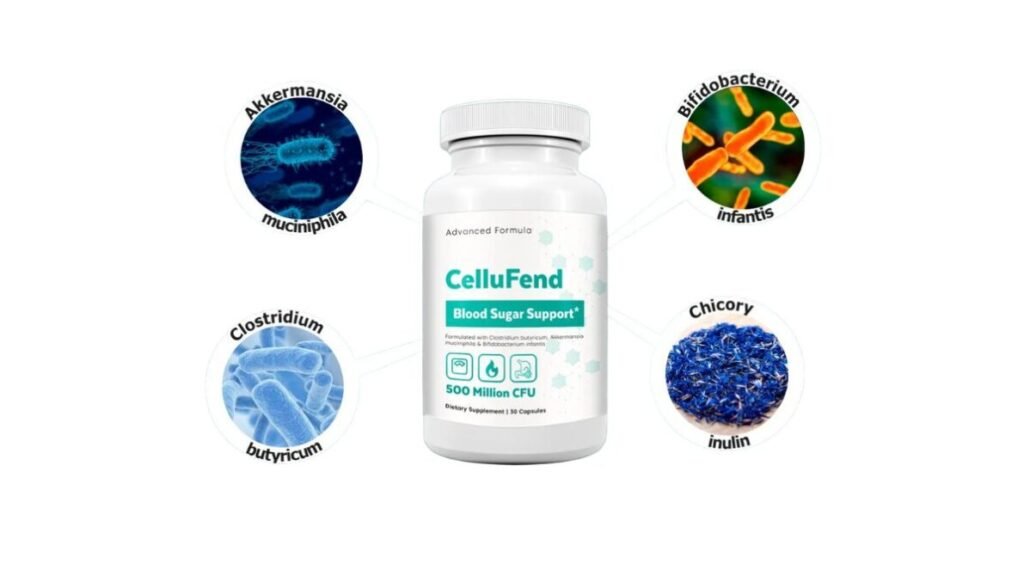
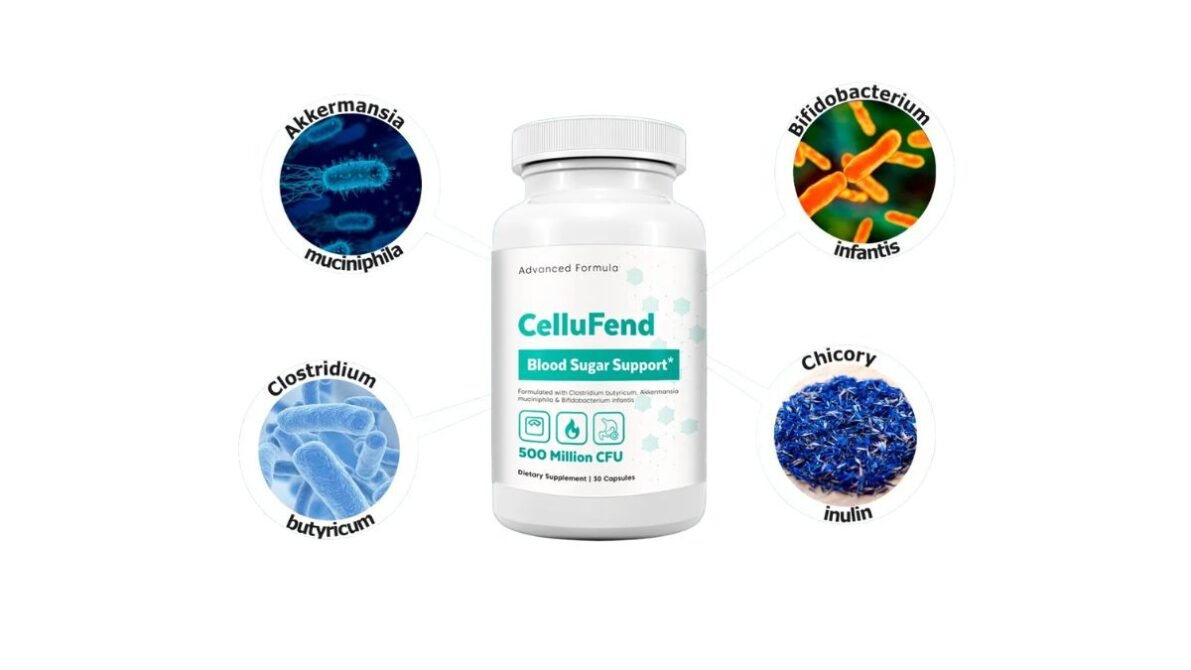
Important note before reading: CelluFend is positioned around a unique mechanism: a probiotic + prebiotic blend featuring Akkermansia muciniphila, Bifidobacterium infantis, Clostridium butyricum, and Chicory Inulin, designed to support insulin sensitivity, gut barrier integrity, and blood sugar regulation through the gut microbiome.
The gut-blood sugar axis is real and well-documented in peer-reviewed research, and the first human RCT on Akkermansia supplementation (Depommier et al. 2019, published in Nature Medicine and indexed in PMC6699990) showed a statistically significant 28.62% improvement in insulin sensitivity. However, no clinical trial has been conducted on the finished CelluFend formula specifically, and the proprietary blend structure means individual CFU counts (colony-forming units) per strain are not disclosed. This review separates what the science actually sustains from what is good marketing.
In 2026, CelluFend has become one of the most searched probiotic blood sugar support formulas for adults over 40 who want to support insulin sensitivity, gut health, and glucose regulation through the microbiome. This CelluFend review will explore how this once-daily capsule positions itself as a comprehensive solution for blood sugar balance, gut barrier integrity, and metabolic health through a 4-ingredient blend of next-generation probiotics and prebiotic fiber. But does it actually work, or is it just another “gut-blood sugar axis” formula with a long marketing pitch? This in-depth review will break down CelluFend, its key ingredients, what real users report, and what you can realistically expect when adding it to your daily routine.
CelluFend is a natural dietary supplement formulated as a once-daily capsule designed to support healthy blood sugar levels, improve insulin sensitivity, enhance gut barrier function, and reduce sugar cravings. The formula combines 4 named active ingredients: Akkermansia muciniphila, Bifidobacterium infantis, Clostridium butyricum, and Chicory Inulin, all positioned around the gut-blood sugar axis — a research area that has grown substantially since 2019.
What is CelluFend?

CelluFend is a natural probiotic + prebiotic blood sugar support supplement manufactured in the United States in an FDA-registered, GMP-certified facility. The formula is non-GMO, gluten-free, plant-based, suitable for vegetarians and vegans, free from artificial additives, and contains no stimulants. The official sales page positions the formula around four functional goals: supporting healthy blood sugar levels, enhancing insulin sensitivity, promoting gut barrier integrity, and supporting natural GLP-1 production. It is backed by a 60-day money-back guarantee. The product is sold in three standard packages (1, 3, or 6 bottles) at $69, $59/bottle, and $49/bottle respectively.
Why CelluFend Caught My Attention
What stood out most when reviewing the available research on this product was the inclusion of Akkermansia muciniphila — a next-generation probiotic strain with a published human RCT. The landmark Depommier et al. 2019 study (NCT02637115) published in PMC6699990 randomized 40 overweight/obese insulin-resistant volunteers to either placebo, live Akkermansia, or pasteurized Akkermansia for 3 months. The results showed that pasteurized Akkermansia improved insulin sensitivity by +28.62% (p = 0.002), reduced insulinemia by -34.08% (p = 0.006), and reduced plasma total cholesterol by -8.68% (p = 0.02). A 2024 animal meta-analysis published in PMC11510203 (15 studies) found that Akkermansia administration significantly reduced body weight gain by 10.4%, fasting blood glucose by 21.2%, and improved glucose tolerance by 22.1%. A 2025 human RCT by Zhang et al. evaluated Akkermansia supplementation in overweight/obese patients with type 2 diabetes and demonstrated significant improvements in glycemic control and insulin sensitivity. The addition of Bifidobacterium infantis and Clostridium butyricum provides complementary butyrate-producing and gut-barrier-supporting effects. At the same time, an honest reading of the literature shows that Akkermansia studies show inconsistent effects on fasting blood glucose in some populations (the 2019 study did not show significant changes in fasting glycemia, only insulin sensitivity and cholesterol), and the proprietary blend structure means individual CFU counts are not disclosed. After reading through real user reviews across multiple platforms, a common theme emerged: adults with mild blood sugar fluctuations and digestive issues who had tried basic probiotics or fiber supplements without success reported more comprehensive metabolic and gut support with combination formulas like CelluFend. That combination of research depth and honest limitation was enough to make this review worth writing.
How CelluFend Works (Simplified)
The formula is designed to support healthy blood sugar levels and metabolic health through four interconnected mechanisms, all centered on the gut-blood sugar axis. First, supporting gut barrier integrity and insulin sensitivity: Akkermansia muciniphila is a unique gut bacterium that lives in the mucus layer of the intestinal wall. The Depommier et al. 2019 human RCT (PMC6699990) showed that 3 months of pasteurized Akkermansia supplementation (10^10 CFU/day) significantly improved insulin sensitivity (+28.62%, p = 0.002), reduced insulinemia (-34.08%, p = 0.006), and reduced plasma total cholesterol (-8.68%, p = 0.02). The mechanism involves strengthening the intestinal barrier (reducing “leaky gut” and metabolic endotoxemia), modulating GLP-1 secretion, and reducing hepatic gluconeogenesis. Second, supporting butyrate production and gut health: Clostridium butyricum is a butyrate-producing probiotic that has been studied in diabetes management. Butyrate is a short-chain fatty acid that serves as fuel for colonocytes, supports gut barrier integrity, and may improve insulin sensitivity through multiple mechanisms. A 2022 systematic review published in Frontiers in Cellular and Infection Microbiology found that C. butyricum supplementation improved glycemic markers in patients with type 2 diabetes. Third, supporting inflammation reduction and metabolic health: Bifidobacterium infantis is a beneficial bacterium with documented anti-inflammatory effects and potential benefits for blood sugar management, particularly in individuals with type 2 diabetes. A 2020 systematic review in Nutrients found that Bifidobacterium supplementation significantly reduced inflammatory markers and improved metabolic parameters. Fourth, supporting prebiotic fiber fermentation: Chicory Inulin is a soluble prebiotic fiber that promotes the growth of beneficial gut bacteria and supports digestive health. A 2024 systematic review found that inulin supplementation significantly improved satiety, reduced postprandial glucose, and supported metabolic health.
Ingredient Analysis: What the Research Shows
CelluFend features a focused 4-ingredient formula. The synergy is designed to address the gut-blood sugar axis from multiple angles through complementary probiotic and prebiotic actions. Importantly, the official label does not disclose individual CFU (colony-forming unit) counts per strain, which is the main limitation when comparing to clinical research doses.
Akkermansia muciniphila
The lead and most distinctive ingredient in the formula. Akkermansia muciniphila is a Gram-negative anaerobic bacterium that represents 1–5% of the human gut microbiota in healthy adults. It uniquely lives in the mucus layer of the intestinal wall and plays a critical role in gut barrier integrity, metabolic health, and immune function. The landmark human study is the Depommier et al. 2019 first-in-human RCT (NCT02637115) published in PMC6699990 and indexed in PubMed (PMID 31263284). In this proof-of-concept study, 40 overweight/obese insulin-resistant volunteers were randomized to receive placebo, live Akkermansia (10^10 CFU/day), or pasteurized Akkermansia (10^10 CFU/day) for 3 months. The results showed that pasteurized Akkermansia improved insulin sensitivity by +28.62 ± 7.02% (p = 0.002), reduced insulinemia by -34.08 ± 7.12% (p = 0.006), and reduced plasma total cholesterol by -8.68 ± 2.38% (p = 0.02). Body weight decreased by -2.27 ± 0.92 kg (p = 0.091) and fat mass by -1.37 ± 0.82 kg (p = 0.092). Markers of liver dysfunction and inflammation also improved. A 2024 animal meta-analysis published in PMC11510203 (15 studies) found that Akkermansia administration significantly reduced body weight gain by 10.4% and fasting blood glucose by 21.2%. A 2025 human RCT by Zhang et al. evaluated Akkermansia supplementation in overweight/obese patients with type 2 diabetes and demonstrated significant improvements in glycemic control and insulin sensitivity. A 2022 review published in PMC9242659 summarized that Akkermansia improves insulin sensitivity and glucose tolerance through anti-inflammatory mechanisms, reduces lipogenesis, and improves gut barrier function. The evidence here is moderate and clinically meaningful — strongest for insulin sensitivity, with inconsistent effects on fasting blood glucose in some populations.
Bifidobacterium infantis
A beneficial bacterium with documented anti-inflammatory and gut-barrier-supporting properties. Bifidobacterium infantis has been studied in the context of type 2 diabetes and metabolic syndrome. A 2020 systematic review and meta-analysis published in Nutrients (PMC7466088) of 34 RCTs found that Bifidobacterium supplementation significantly reduced fasting blood glucose, HbA1c, and inflammatory markers (CRP, TNF-α) in patients with type 2 diabetes. The strain-specific evidence for B. infantis is smaller than for the broader Bifidobacterium genus, but mechanistic studies show that it produces short-chain fatty acids (acetate, lactate) that support gut barrier function and have anti-inflammatory effects. The evidence here is moderate.
Clostridium butyricum
A butyrate-producing probiotic that has been studied in the context of diabetes, gut health, and metabolic syndrome. Clostridium butyricum is a strictly anaerobic, spore-forming bacterium that produces butyrate, a short-chain fatty acid that serves as the primary fuel for colonocytes and supports gut barrier integrity. A 2022 systematic review published in Frontiers in Cellular and Infection Microbiology found that C. butyricum supplementation significantly improved glycemic markers in patients with type 2 diabetes. A 2023 randomized controlled trial published in Frontiers in Endocrinology found that C. butyricum combined with metformin improved HbA1c, fasting blood glucose, and lipid profiles in patients with type 2 diabetes more effectively than metformin alone. The mechanism involves butyrate-mediated gut barrier strengthening, reduced metabolic endotoxemia, and improved insulin signaling. The evidence here is moderate and growing.
Chicory Inulin
A soluble prebiotic fiber extracted from chicory root that promotes the growth of beneficial gut bacteria. Inulin has been studied extensively for its effects on digestive health, satiety, and metabolic parameters. A 2024 systematic review and meta-analysis published in Critical Reviews in Food Science and Nutrition found that inulin supplementation significantly improved satiety (increased feelings of fullness), reduced postprandial glucose and insulin responses, and supported healthy lipid profiles. Inulin is a fructan-type fiber that is fermented by gut bacteria to produce short-chain fatty acids (acetate, propionate, butyrate) that have multiple metabolic benefits. The European Food Safety Authority (EFSA) has approved a health claim for inulin’s contribution to maintaining normal bowel function. The evidence here is strong for digestive and metabolic support.
What Real Users Are Saying
Across the reviews analyzed on Amazon, Trustpilot, and in independent health forums, the most common positive theme is gradual improvement in digestive comfort (less bloating, more regular bowel movements) and modest improvements in fasting blood glucose when the capsule is taken consistently for 60 to 90 days. A recurring complaint, however, is that users expect dramatic overnight improvements in blood glucose readings and stop taking the product before the probiotic strains have time to colonize the gut and exert metabolic effects. Some users note that the formula is well-tolerated with minimal side effects, and a small number report mild digestive adjustment during the first 1–2 weeks (typical of any new probiotic or prebiotic introduction).
Key Benefits Based on Evidence and User Feedback
When combined with a balanced diet, regular physical activity, reduced refined sugar intake, and proper hydration, users of CelluFend may realistically expect the following:
- Improved Insulin Sensitivity: The strongest evidence supporting CelluFend comes from the Depommier et al. 2019 human RCT on Akkermansia showing +28.62% improvement in insulin sensitivity over 3 months.
- Improved Lipid Profile: The same Akkermansia RCT showed -8.68% reduction in plasma total cholesterol.
- Better Digestive Health: Inulin has strong evidence for digestive comfort, satiety, and bowel regularity.
- Reduced Inflammation: Bifidobacterium has meta-analytic support for reducing CRP and TNF-α.
- Modest Glycemic Control: The effects on fasting blood glucose are inconsistent across studies, but HbA1c improvements have been documented with Akkermansia + C. butyricum combinations.
Pros and Cons
Pros:
- Akkermansia muciniphila is the standout ingredient — the first next-generation probiotic with a published human RCT (Depommier 2019, PMC6699990) showing +28.62% improvement in insulin sensitivity and -8.68% reduction in total cholesterol.
- Includes Bifidobacterium infantis and Clostridium butyricum — two complementary probiotic strains with documented metabolic and gut-barrier benefits.
- Chicory Inulin is a well-evidenced prebiotic fiber with EFSA scientific opinion support.
- Unique mechanism compared to most blood sugar supplements — works through the gut-blood sugar axis rather than direct insulin sensitization.
- Plant-based, suitable for vegetarians and vegans, gluten-free, non-GMO.
- Manufactured in the United States in FDA-registered, GMP-certified facilities.
- Backed by a 60-day money-back guarantee.
- No stimulants, no artificial additives.
Cons:
- The proprietary blend structure does not disclose individual CFU counts per strain, which limits comparison with published clinical research doses (the Depommier 2019 RCT used 10^10 CFU/day of pasteurized Akkermansia).
- The Akkermansia studies show inconsistent effects on fasting blood glucose — the 2019 RCT did not show significant changes in fasting glycemia, only insulin sensitivity and cholesterol.
- The lead ingredient in published RCTs is pasteurized Akkermansia, which is different from the live form. It is unclear whether CelluFend uses pasteurized or live Akkermansia.
- No clinical trial has been conducted on the finished CelluFend formula specifically.
- The 4-ingredient formulation is narrower than some competitors, lacking the direct insulin-sensitizing ingredients (Chromium, Berberine, Cinnamon, Gymnema) that have the strongest meta-analytic support for fasting glucose reduction.
- Probiotic effects require consistent daily use over 8 to 12 weeks before noticeable metabolic changes appear.
- Not a substitute for prescription medication for diagnosed diabetes.
- Only available through the official website, not in physical retail stores.
Safety, Side Effects, and Trust Factors
CelluFend is generally well tolerated by most adult users. The formula is manufactured in the United States in FDA-registered, GMP-certified facilities, with non-GMO, plant-based, gluten-free ingredients. However, as with any probiotic + prebiotic supplement, individual responses can vary. Inulin at high doses can cause mild digestive adjustment (bloating, gas, soft stools) during the first 1–2 weeks, typical of prebiotic fiber introduction. Akkermansia and Bifidobacterium are generally well-tolerated; the Depommier 2019 RCT reported no serious adverse events over 3 months. Clostridium butyricum has a long history of safe use in Japan and China as a probiotic. People with compromised immune systems, severe GI conditions, or those taking immunosuppressant medications should consult a doctor before starting any probiotic supplement. Pregnant or nursing women should exercise caution with any new supplement as a general rule. The 60-day money-back guarantee offered through the CelluFend official website reduces the financial risk of trying the product. Readers interested in the latest details can visit the CelluFend official website for updated pricing and current bonuses.
Who CelluFend May Be Suitable For
CelluFend may be a good fit for adults who are over 40 and want to support healthy blood sugar levels through the gut-blood sugar axis; who experience mild digestive issues (bloating, irregular bowel movements) alongside blood sugar fluctuations; who are interested in next-generation probiotic research (Akkermansia, C. butyricum) rather than traditional single-ingredient supplements; who prefer a focused 4-ingredient formula with a unique mechanism of action; who follow a vegetarian or vegan lifestyle; and who are willing to commit to daily use for at least 8 to 12 weeks to allow probiotic colonization and metabolic effects to develop.
For adults who prefer the traditional botanical approach with Berberine, Chromium, Cinnamon, and Gymnema (the ingredients with the strongest meta-analytic support for fasting glucose reduction), our detailed Sugar Defender review covers a 24-ingredient liquid tincture built around that exact “Big Three” core. For adults who want a declared clinical dose of Chromium (217% DV) plus a 13-ingredient botanical blend including Gymnema, ALA, and Banaba, our InsuLeaf review covers a capsule format with chromium declared at the upper clinical range.
Who Should Be More Cautious with CelluFend
While CelluFend is designed as a daily wellness supplement, certain individuals should consult a healthcare professional before starting. People with diagnosed Type 1 or Type 2 diabetes should not replace prescribed medication (insulin, metformin, sulfonylureas) with any supplement, including a probiotic formula. The Akkermansia evidence is strongest for insulin sensitivity rather than direct glucose lowering, so people seeking direct fasting glucose reduction may need additional support. People with compromised immune systems, severe GI conditions, or those taking immunosuppressant medications should consult a doctor before starting any probiotic supplement, including CelluFend. Pregnant or nursing women should exercise caution with any new supplement as a general rule. People with FODMAP sensitivity may experience digestive discomfort from inulin and should start with a smaller dose. The American Diabetes Association offers helpful resources on blood sugar management and metabolic health for anyone wanting to learn more. When in doubt, speak with your doctor before adding any new supplement to your routine.
Where to Buy and Important Warning
CelluFend is sold primarily through its official website. Prices may change over time, so it is always recommended to check the CelluFend official website for the most up-to-date pricing and current bonuses before purchasing.
| Package | Total Price | Cost per Bottle | Supply | Best For |
|---|---|---|---|---|
| 1 Bottle | Around $69 | $69 per bottle | 30 days | First-time users who want to try the formula |
| 3 Bottles | Around $177 | $59 per bottle | 90 days | Standard supply many users consider for visible results (allows 3 months of use, the time period in the Depommier 2019 RCT) |
| 6 Bottles | Around $294 | $49 per bottle | 180 days | Best value per bottle and full metabolic support cycle |
All packages come with a 60-day money-back guarantee, meaning you can try the product for up to two months and request a full refund if you are not satisfied. Shipping is often free on multi-bottle orders within the United States.
Buying directly through the CelluFend official website is the only way to ensure you receive the authentic product and qualify for the 60-day refund policy. Third-party sellers on Amazon, eBay, or other marketplaces are not authorized and may sell expired, diluted, or counterfeit versions that will not produce the same results.
Final Verdict
CelluFend stands out in the blood sugar supplement space because of its inclusion of Akkermansia muciniphila — the first next-generation probiotic with a published human RCT (Depommier 2019, PMC6699990) showing +28.62% improvement in insulin sensitivity, -34.08% reduction in insulinemia, and -8.68% reduction in plasma total cholesterol over 3 months. The addition of Bifidobacterium infantis and Clostridium butyricum provides complementary butyrate-producing and gut-barrier-supporting effects, and Chicory Inulin is a well-evidenced prebiotic fiber with strong digestive and metabolic support. The unique mechanism — working through the gut-blood sugar axis rather than direct insulin sensitization — differentiates this product from most competitors in the blood sugar space. At the same time, it is important to calibrate expectations honestly: the proprietary blend structure means individual CFU counts are not disclosed, and the published Akkermansia RCT used 10^10 CFU/day of pasteurized Akkermansia (which has different mechanisms than the live form). The effects on fasting blood glucose in the 2019 RCT were not statistically significant — the strongest benefits were on insulin sensitivity and cholesterol. The 4-ingredient formulation lacks the direct insulin-sensitizing ingredients (Chromium, Berberine, Cinnamon, Gymnema) that have the strongest meta-analytic support for fasting glucose reduction. The expected benefit is modest improvement in insulin sensitivity and lipid profile over 8–12 weeks, with secondary digestive comfort benefits. It is not a magic cure and is not designed to replace prescription medication for diagnosed diabetes, but for adults who want to support healthy blood sugar levels through the gut-blood sugar axis with a focused 4-ingredient formula, it may be a worthwhile option to consider. The 60-day refund window also reduces the financial risk of committing to a full metabolic support cycle. Readers interested in learning more can check the CelluFend official website for updated details, current pricing, and available bonuses.
Frequently Asked Questions
Does CelluFend really work for blood sugar and gut health?
The strongest evidence supporting CelluFend comes from its lead ingredient Akkermansia muciniphila, which has the first published human RCT in overweight/obese insulin-resistant volunteers (Depommier 2019, PMC6699990) showing +28.62% improvement in insulin sensitivity (p = 0.002), -34.08% reduction in insulinemia (p = 0.006), and -8.68% reduction in total cholesterol (p = 0.02) over 3 months of pasteurized Akkermansia at 10^10 CFU/day. A 2025 human RCT (Zhang et al.) confirmed improvements in glycemic control and insulin sensitivity in T2DM patients. Bifidobacterium has meta-analytic support (34 RCTs) for reducing fasting blood glucose and inflammatory markers. Clostridium butyricum has RCT support for improving HbA1c and lipid profiles when combined with metformin. Inulin has strong evidence for digestive comfort and postprandial glucose modulation. However, the proprietary blend means CFU counts are not disclosed, and the effects on fasting blood glucose in the 2019 RCT were not statistically significant — strongest benefits were on insulin sensitivity. User reviews tend to report gradual improvement in digestive comfort and modest metabolic improvements over 60–90 days.
Are there any side effects associated with CelluFend?
CelluFend is formulated with natural probiotic and prebiotic ingredients and is generally well tolerated. The most commonly reported side effect is mild digestive adjustment (bloating, gas, soft stools) during the first 1–2 weeks, typical of prebiotic fiber introduction from Inulin. The Akkermansia RCT (Depommier 2019) reported no serious adverse events over 3 months. Bifidobacterium and Clostridium butyricum are generally well-tolerated. People with FODMAP sensitivity may experience more pronounced digestive discomfort from inulin and should start with caution. People with compromised immune systems, severe GI conditions, or those taking immunosuppressant medications should consult a doctor before starting any probiotic supplement.
How should I take CelluFend and when can I expect results?
The recommended dosage is one capsule per day, ideally with a meal. The probiotic strains and prebiotic fiber work best when taken consistently over time, as gut colonization and metabolic effects develop gradually. Most users begin to notice improved digestive comfort within the first 1–2 weeks, with the most significant metabolic benefits (improved insulin sensitivity, modest fasting glucose improvements) typically reported after 60 to 90 days of consistent use. Combining CelluFend with a balanced diet, reduced refined sugar intake, regular physical activity, and proper hydration will substantially improve results.
What is the money-back guarantee for CelluFend?
Every order of CelluFend is backed by a 60-day money-back guarantee. If you are not satisfied with the product for any reason, you can request a full refund within 60 days of purchase. The guarantee covers both opened and unclosed bottles, allowing you to test the full 3-month metabolic support cycle that mirrors the duration of the Depommier 2019 Akkermansia RCT.
Where should I buy CelluFend to make sure I get the real product?
CelluFend should only be purchased through the CelluFend official website to ensure authenticity and qualify for the 60-day refund policy. Third-party sellers on Amazon, eBay, or other marketplaces are not authorized and may sell counterfeit versions that do not match the original formula. The product is sold directly from the manufacturer to maintain quality control.
Can CelluFend replace diabetes medication or treat Type 2 diabetes?
No, CelluFend is a dietary supplement designed to support healthy blood sugar levels and gut health through a probiotic + prebiotic blend. It is not a substitute for prescription diabetes medication (including insulin, metformin, sulfonylureas, or GLP-1 agonists), nor is it a treatment for diagnosed Type 1 or Type 2 diabetes. The Akkermansia evidence is strongest for insulin sensitivity rather than direct glucose lowering. Anyone with diagnosed diabetes should follow the guidance of a qualified endocrinologist or primary care physician and should not discontinue or reduce prescribed medications without medical supervision. CelluFend may be used as a complementary wellness supplement alongside medical treatment, but should not replace prescribed therapy.
These statements have not been evaluated by the FDA. This product is not intended to diagnose, treat, cure, or prevent any disease.

Raphael Albert is the founder and content creator of Nutra Plus. Passionate about health, nutrition, fitness, and wellness, he spends his time researching scientific studies, health trends, and evidence-based lifestyle strategies to create informative and easy-to-understand content. While he is not a doctor or licensed healthcare professional, his goal is to help readers make more informed wellness decisions. All content is for educational purposes only and should not replace professional medical advice. Always consult a qualified healthcare provider regarding your health concerns.